Check out my video where I take you on my journey from a student to a professional.
Check out my video where I take you on my journey from a student to a professional.
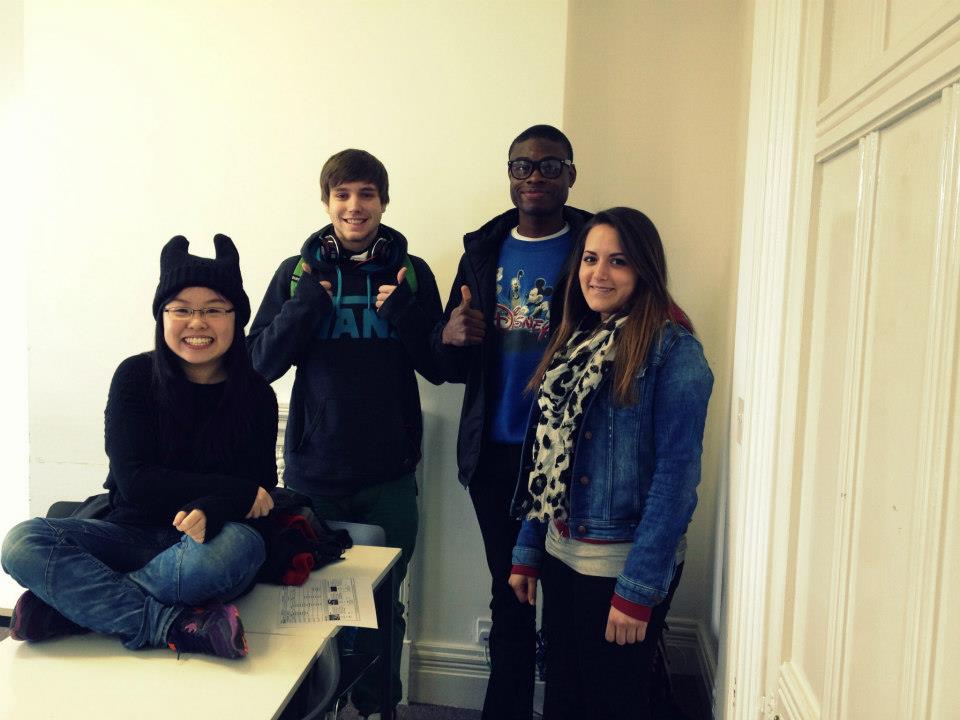
In the year 2012, at the age of seventeen, I left my country: Nigeria, to the United Kingdom. In a quest of purpose, destiny and identity realisation, I arrived at Cambridge, England. I was puzzled by the contrast between my present location and my lovely country, Nigeria. Before this occasion, I had spent my entire life in Nigeria, with a short visit to Ghana; meaning it was my first time outside Africa, and I struggled to withstand the cold atmosphere, which I was enveloped by.

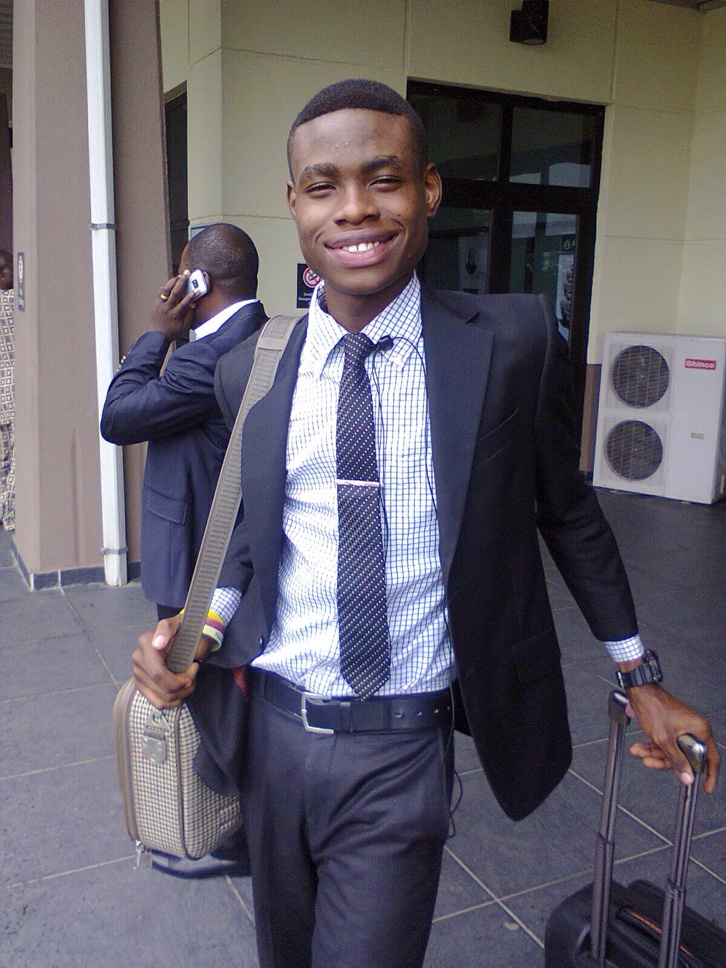
(both pictures from 2012)
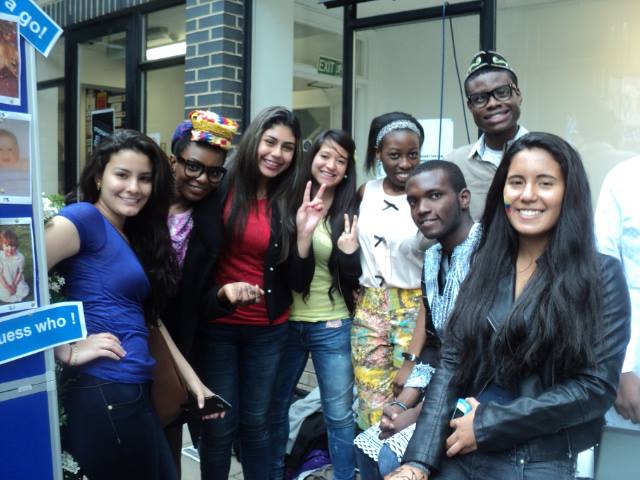
In an international school with people from over sixty countries from various parts of the world, EF Cambridge was overwhelmingly unique to me. I had the privilege of meeting people from random parts of the world, all in one building; an event I never thought I would experience. After paying attention to stereotypes portrayed by the media about various cultures, I had the opportunity of educating myself about people from different backgrounds. This made me realise how much detail and beauty I had been excluded from all my life.
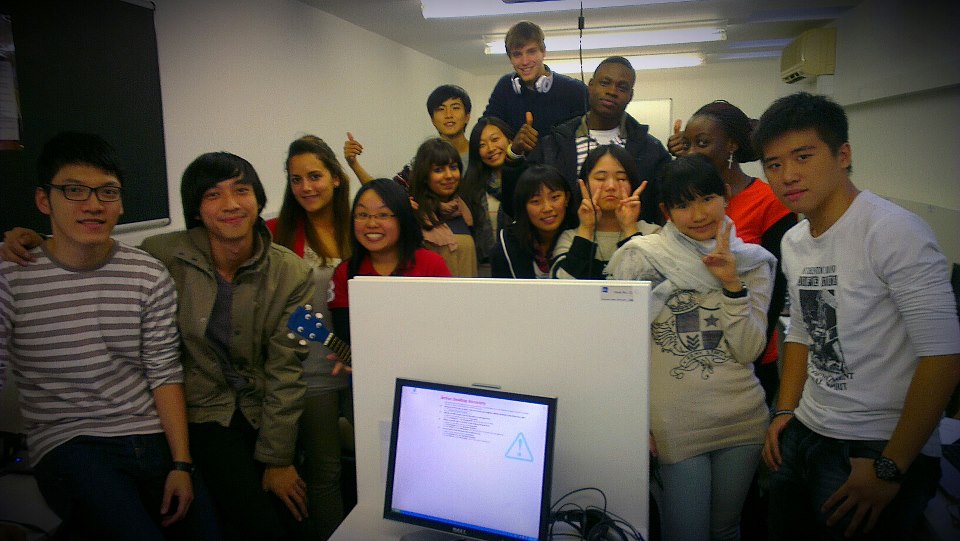

(October, 2012)
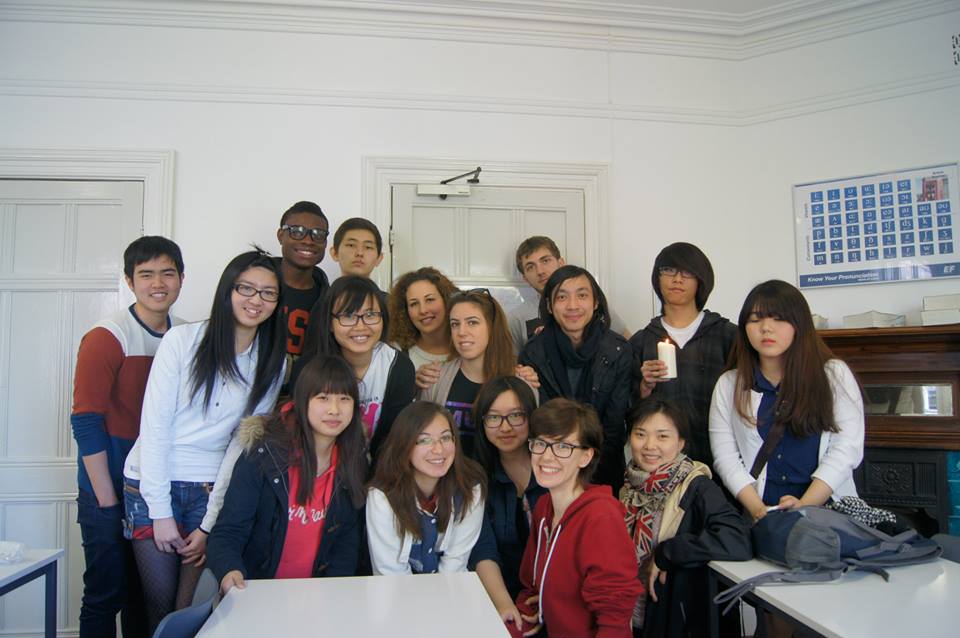
EF Cambridge offered me the privilege of meeting some very special people. The fact that we were all international students made us feel confident about expressing ourselves to each other, and discussing culture and politics. It also gave non-English speakers a chance to develop their speaking skills without the fear of judgement from other people. Although I met a handful of amazing people, my closest friends were from Hong Kong, South Korea, Italy, Belgium, The Netherlands, Spain, Latvia and Nigeria. I recall when I would sit with my Dutch friend, Eva, after lectures and we talked about the cultural differences in our countries. I had the opportunity of partaking in the Cambridge International Choir rehearsals with my friend and classmate, Grace To. My classmates held a birthday retreat, in honour of our fellow classmate, and we would all eat, laugh and enjoy ourselves. I would go ‘ultra-cycling’ with my roommate – ‘Anson’, and he would soon reveal major shortcuts in Cambridge to me, whilst cycling. Amidst streetlights and the cool weather, we would stop for a drink before completing our journey. When I felt depressed from coursework, I remember sitting in the cafeteria with ‘Alderton’ and ‘Johnny’, cracking jokes and having a good time. I had several experiences from EF Cambridge to relate to. Fellow schoolmates and myself went on a trip to London. While on the coach, my Korean friend tried to teach me the Korean language; understanding that certain words were used for particular scenarios made me realise how similar the intent of languages are. Perhaps, the individual I had most encounters with, while at Cambridge was my Nigerian friend, ‘Uche’. Due to the fact that we were both Nigerian, I was able to relate to most of our discussions. This made me realise that culture and ideology can alter a person’s life and create mutual experiences from people from similar backgrounds.
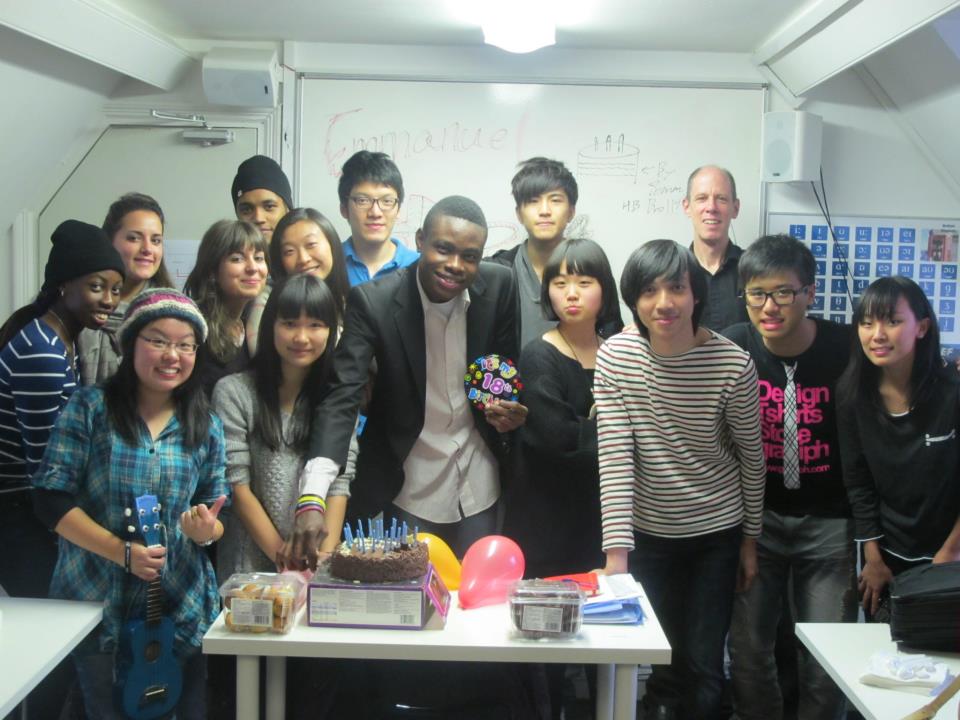
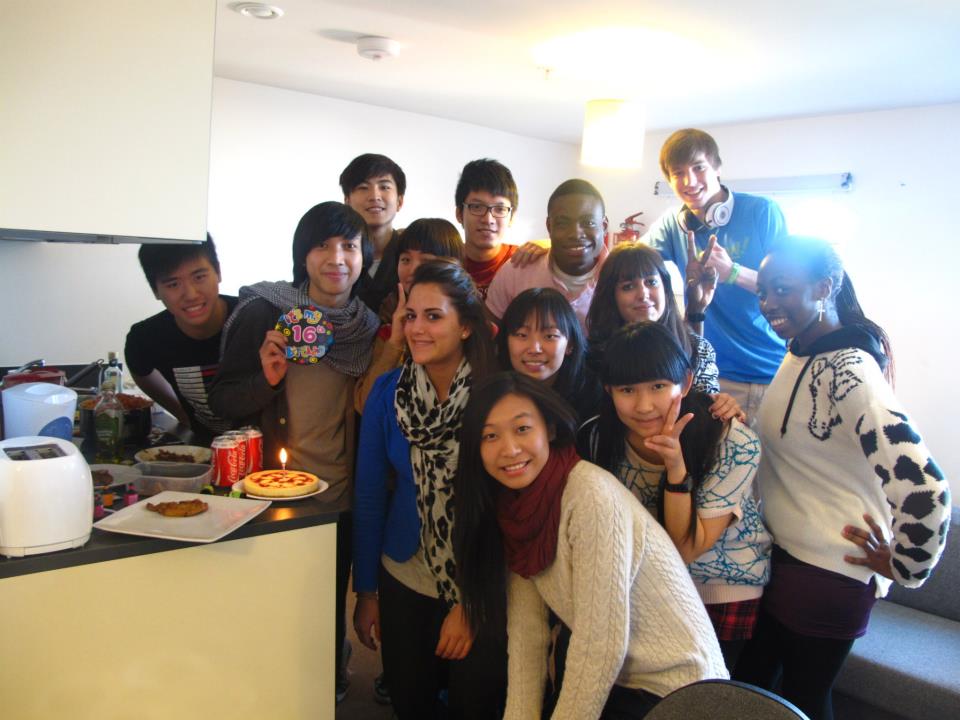
My EF Cambridge experience completely changed my life and contributed greatly in the building of my present identity. I sometimes ponder on how different I would be today, if I decided not to school in England and stayed back in Nigeria. I would not have met a lot of great people, who in turn contributed in making me who I am. My social skills have greatly improved, and I look forward to having more friends from various cultures. After studying at EF Cambridge for nine months, I was inspired to create a media brand of own called ‘IL Visuals’, which means International Love Visuals. This was greatly inspired by my international background and new found identity gained at EF Cambridge.


My time at Cambridge changed my life and defined my identity. The privilege of meeting people internationally and listening to the stories and experiences they had to share were priceless. I learnt that people should not be judged, based on physical appearance but on personality.

The world of the media has always fascinated me. As an individual viewing the world from an African perspective until the year 2012; when my mind was expanded with euro-centric and western perspectives of the world. Media and Communications as a course has made me aware of deeper meaning attached to everything around us. I consider film to be an art of self expression. It really amazes me to see ordinary people take their ideas from pen and paper, and transform them into something beautiful through the use of the digital media. Dueze (2012: 68) has made me understand that the media make us lose ourselves. When people listen to a favourite song of their’s, it is common for them to release themselves into an imaginary realm, where they feel anything is possible.

Music has played a fundamental part in my life and upbringing. I often wonder how artistes and producers communicate and deeply reach out to the heart of listeners through music. I like to define music as the art of story telling. Through the composition of different equipments and sounds, people are able to create meaning. This music video by ‘Rudimental‘ not only uses fundamental sounds in communication, but utilises visual artefacts for meaningful composition.
The narrative of this video captures how a pair of twins who grew up together later have to fight, due to the paths they chose to follow in life. Their mother also has to witness her sons fight brutally against themselves. This music video has been able to tell a story based on survival, dedication, passion, love and faith. Nevertheless, I often wonder if the media has a secret agenda for us; the audience. Bennett, Kendall and McDougall (2011: 22) critique that ‘ideas about unlocking the meaning of texts by perceptive critics are replaced by the ideas about meaning as action: how texts work for those who use them’.
Bibliography
Bennett, P., Kendall, A., McDougall, J. (2011) After The Media. Abingdon: Routledge.
Dueze, M. (2012) Media Life. Cambridge: Polity Press.
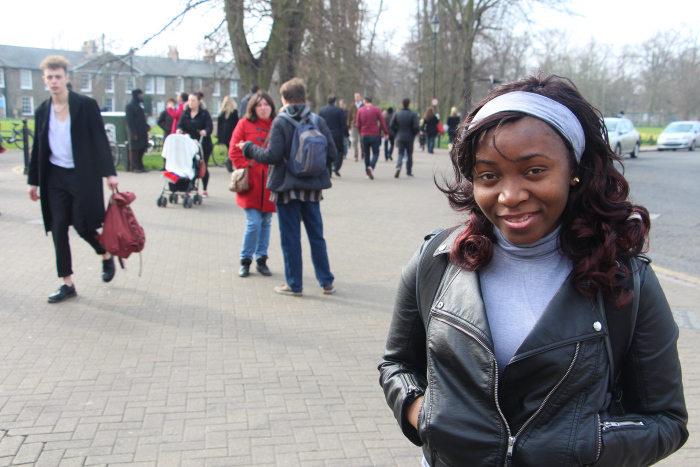
GOOD PORTRAIT PHOTO

I thought this was a good portrait photo because, it focused on the main subject of the picture; this left the rest in blur.
BAD PORTRAIT PHOTO
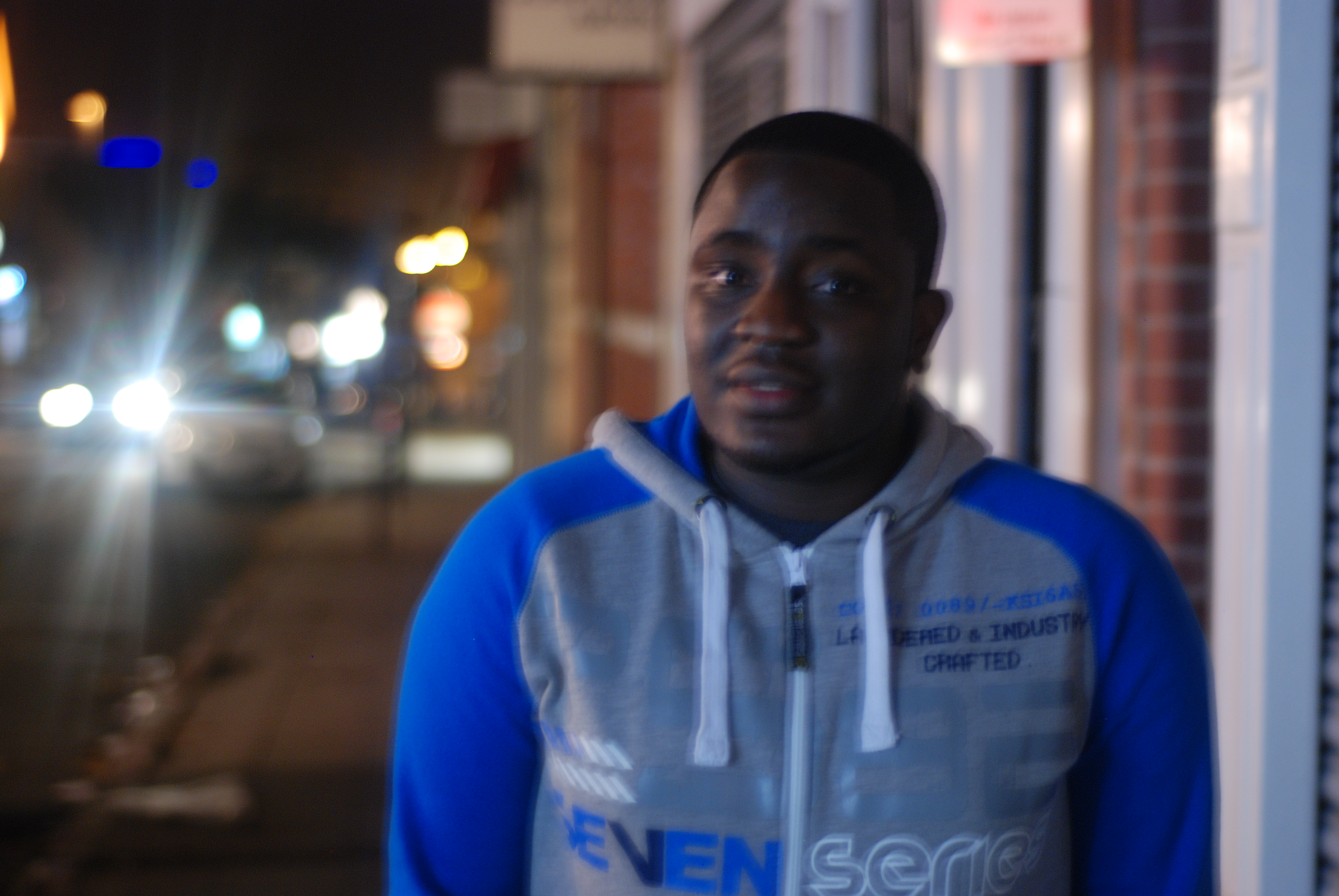
Compared to the first, this image leaves the main target in blur; thereby failing to capture the focus on his face.
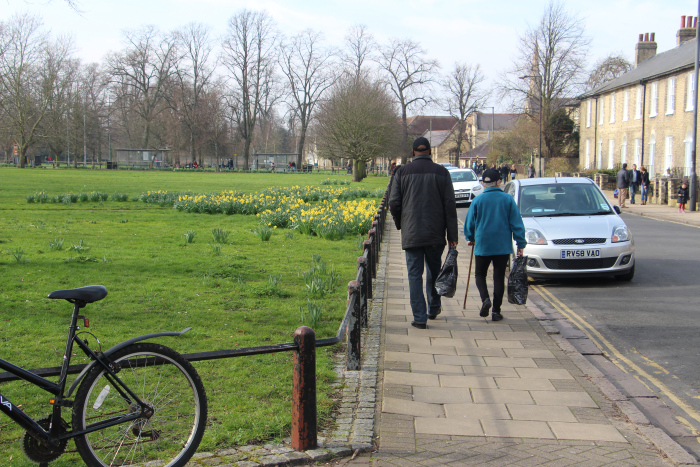
Parker’s Piece, Cambridge.
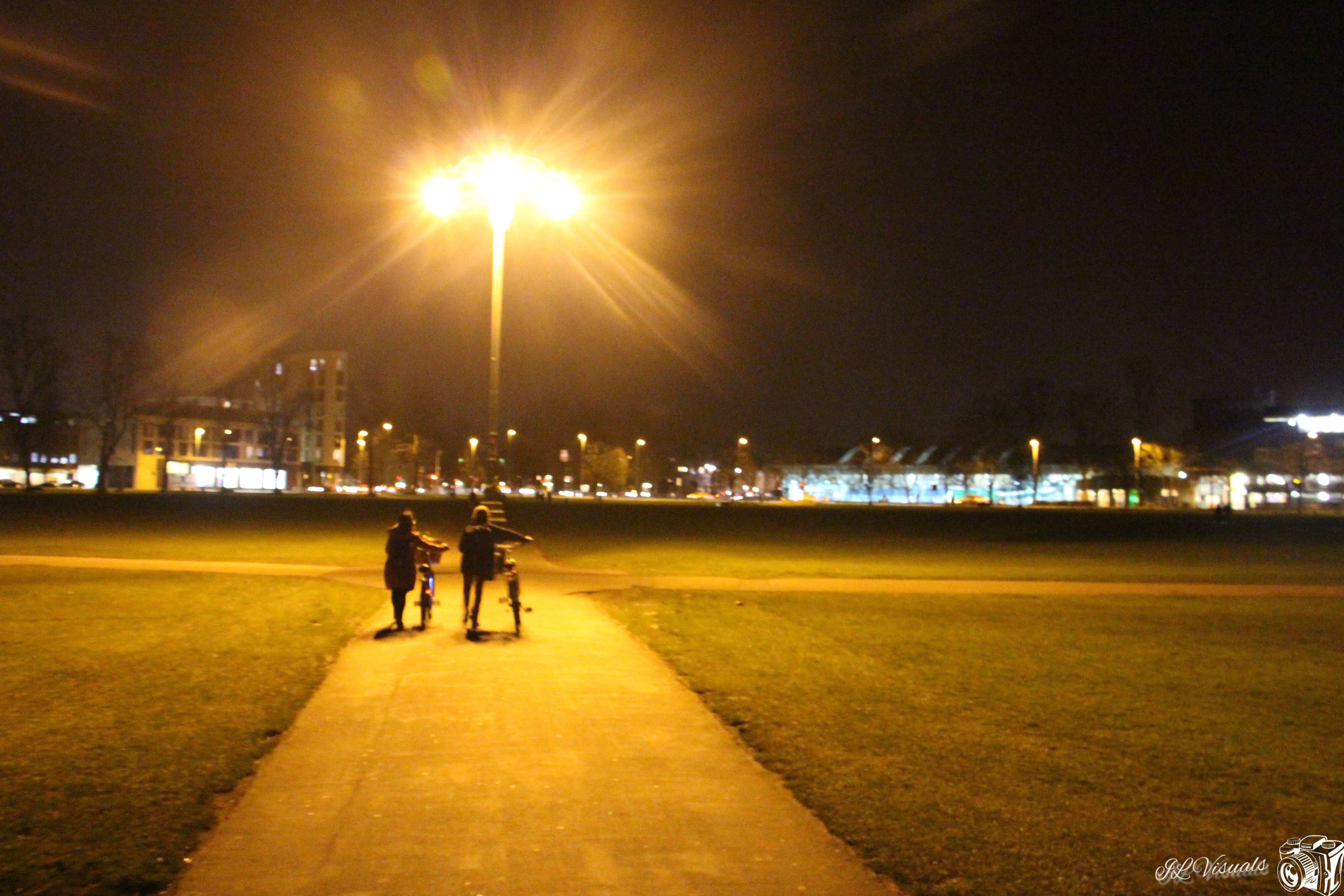
Stock Photography often explores several creative measures within photography. This photograph can be used for multiple commercial purposes, such as: the cover of a film or magazine or a simple brochure for a tourism agency. Due to the unique use of light in this picture, life has been captured and portrayed using a lively background.
This is an example of a commercial brochure that can be used for advertisements of this location.

FINAL LANDSCAPE PHOTO

In this photo of King’s college, Cambridge, I have created a bright contrast between the building and the blue colour of the sky. In order to fully express my intentions of maximising my ideas, I decided to edit this on Photoshop to add more saturation to the image.

Using a shallow depth of field, I have been able to direct the viewers attention to particular angles of the picture, instead of all.

This photo uses a shallow depth of field by highlighting and making the tree appear in more focus than the background.
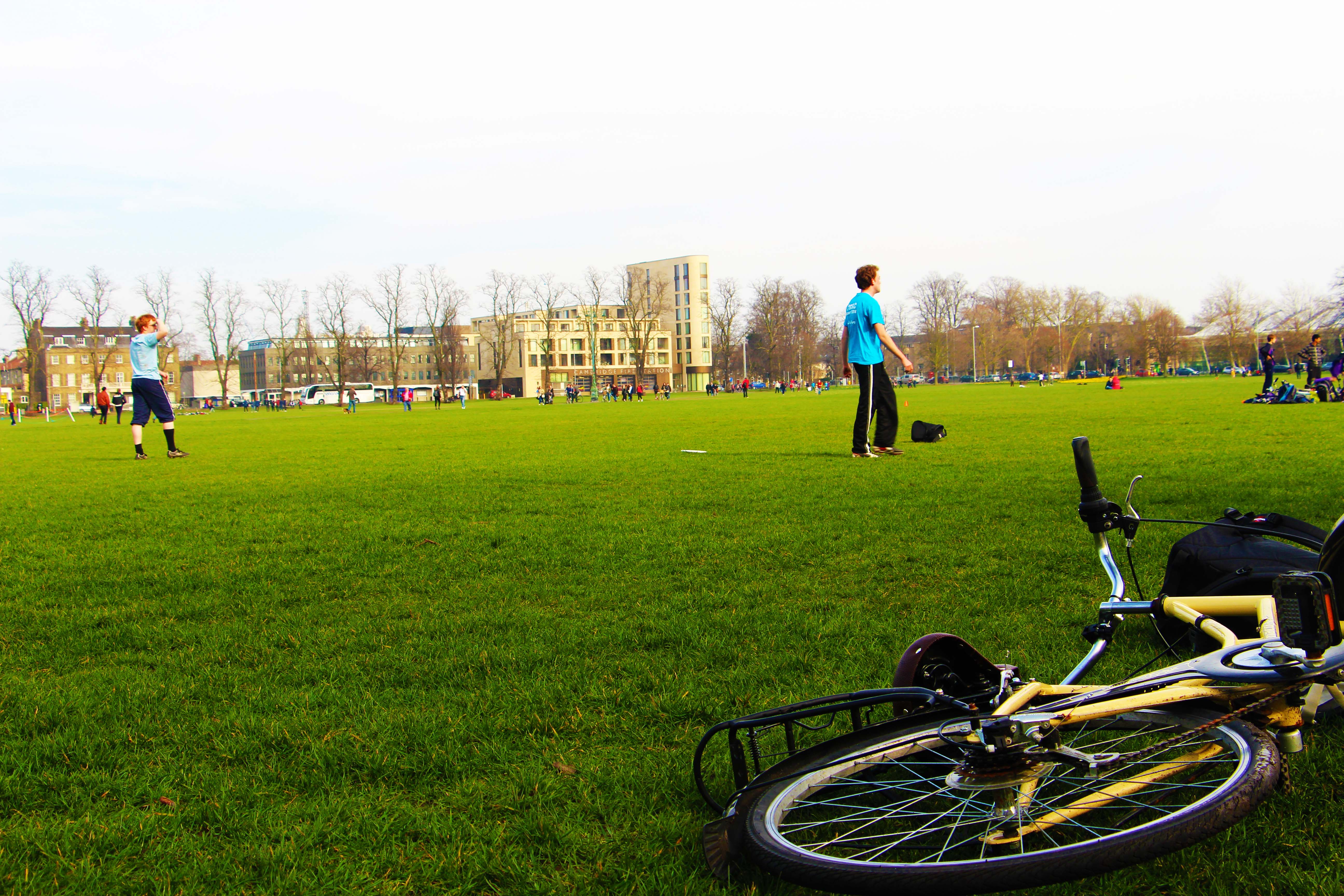
Using both high and low ISO’s, I have been able to play around with the sensitivity of these pictures. Through the use if large and small apertures, I created a variety of contrasts within the image.
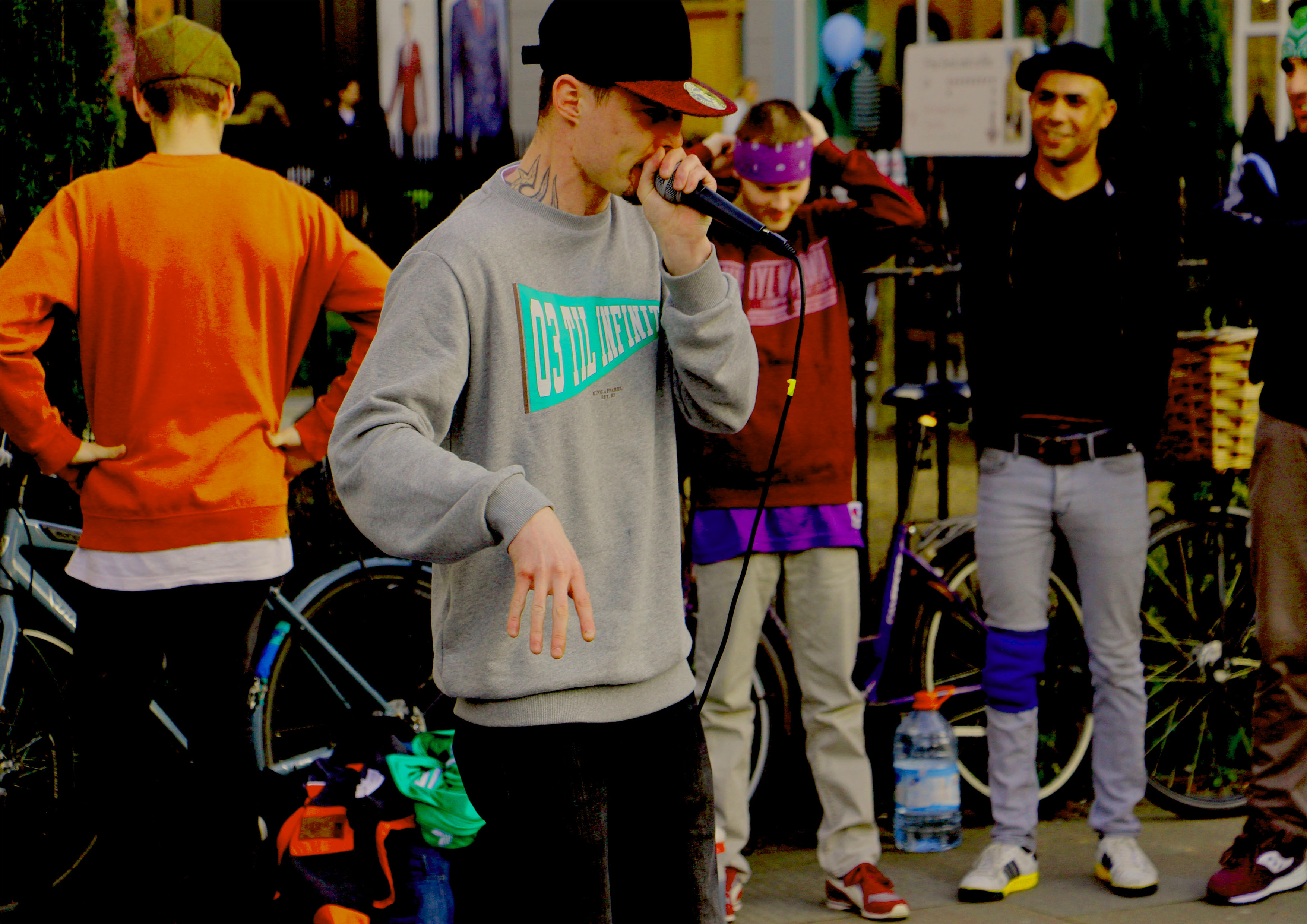
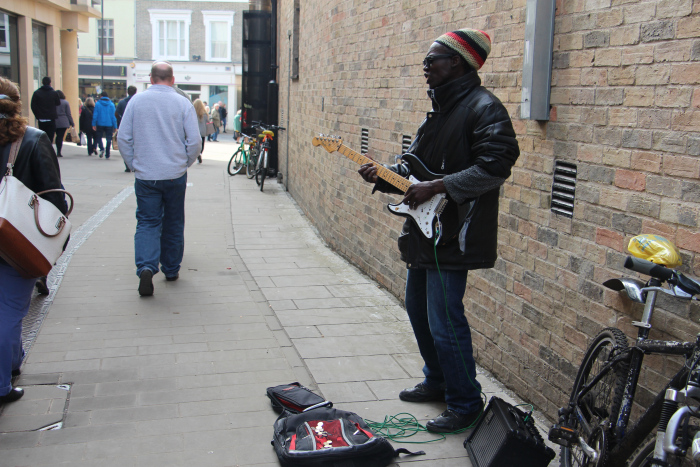
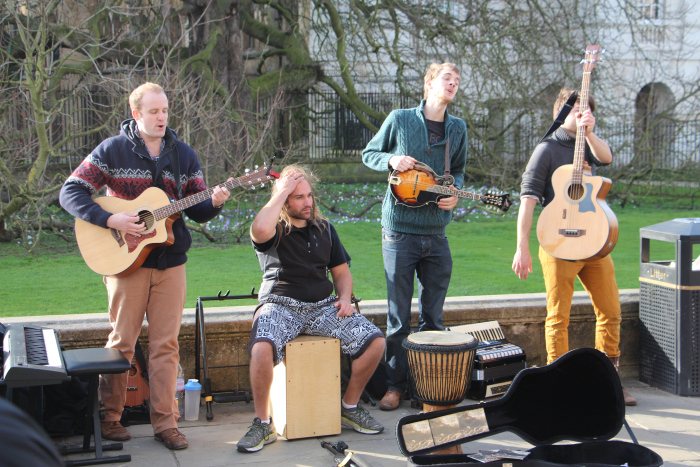
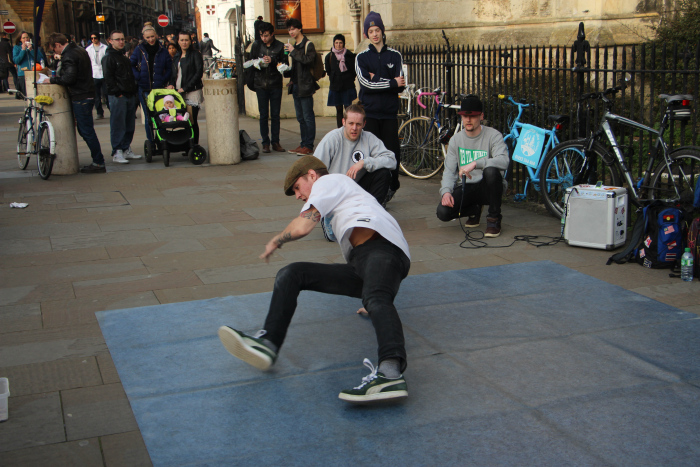
Through the use of photoshop, I have been able to capture the emotion behind this picture. The self expression of the subject of focus demonstrates his passion for what he does. The colourful nature of this picture represents life in street performance.
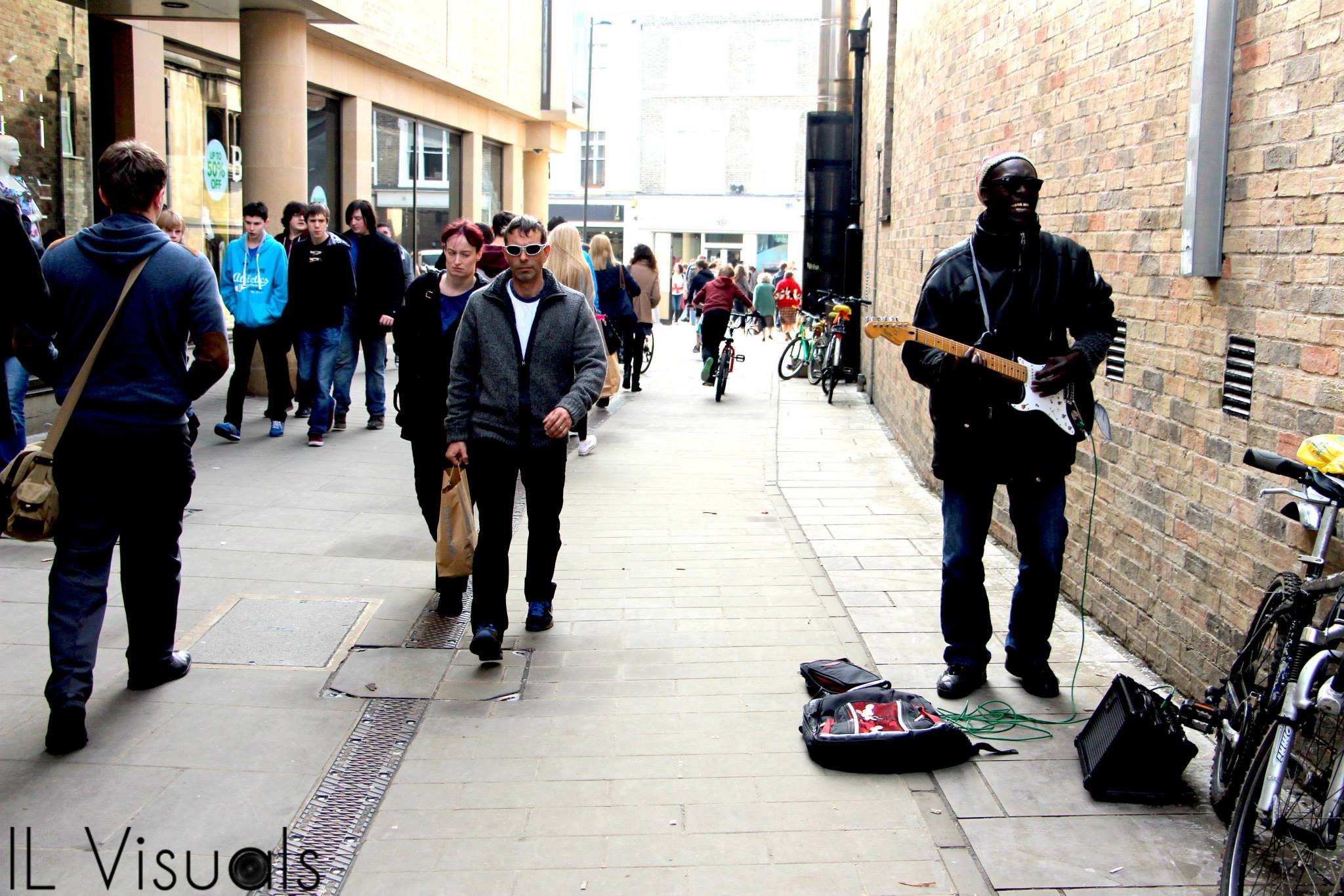
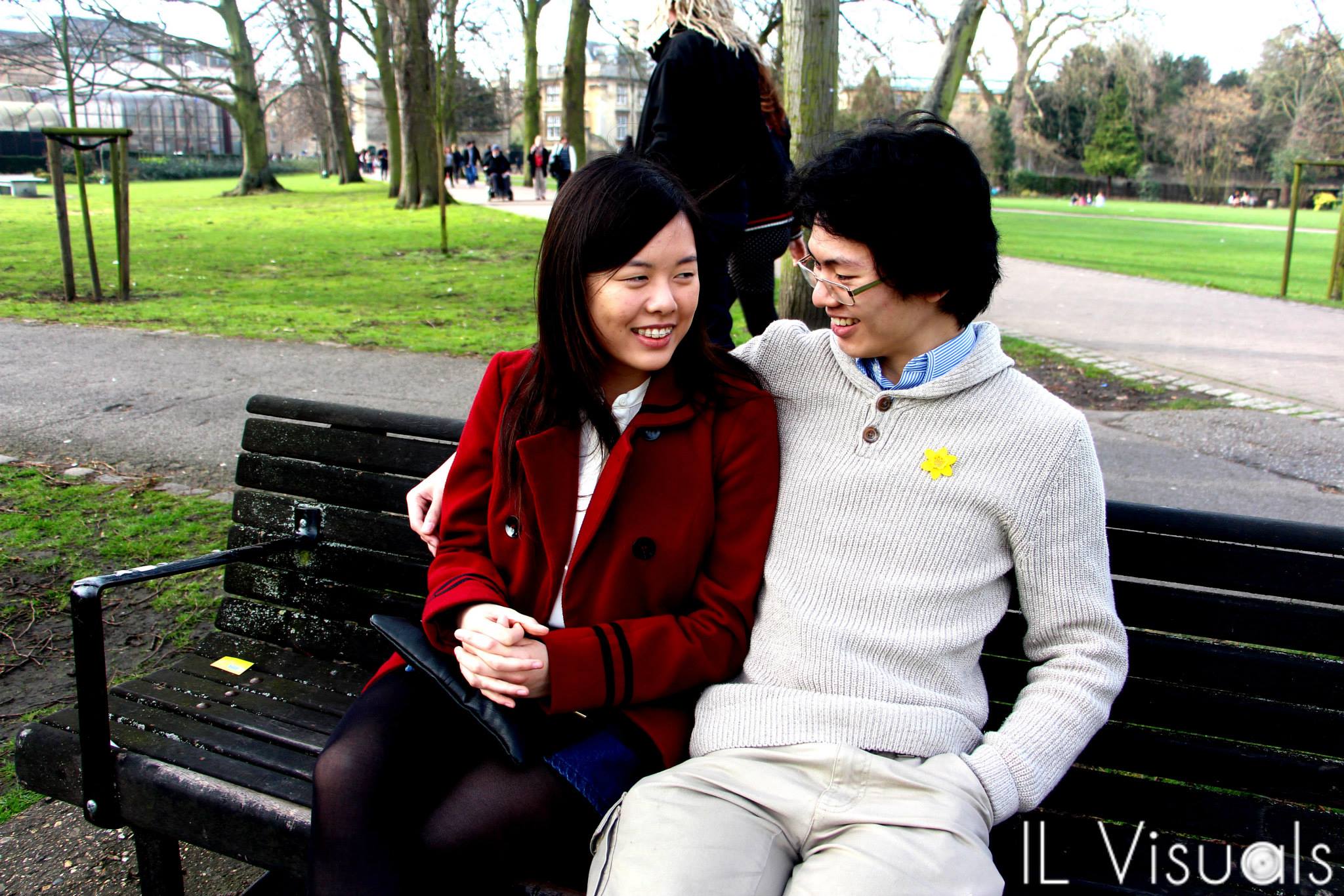
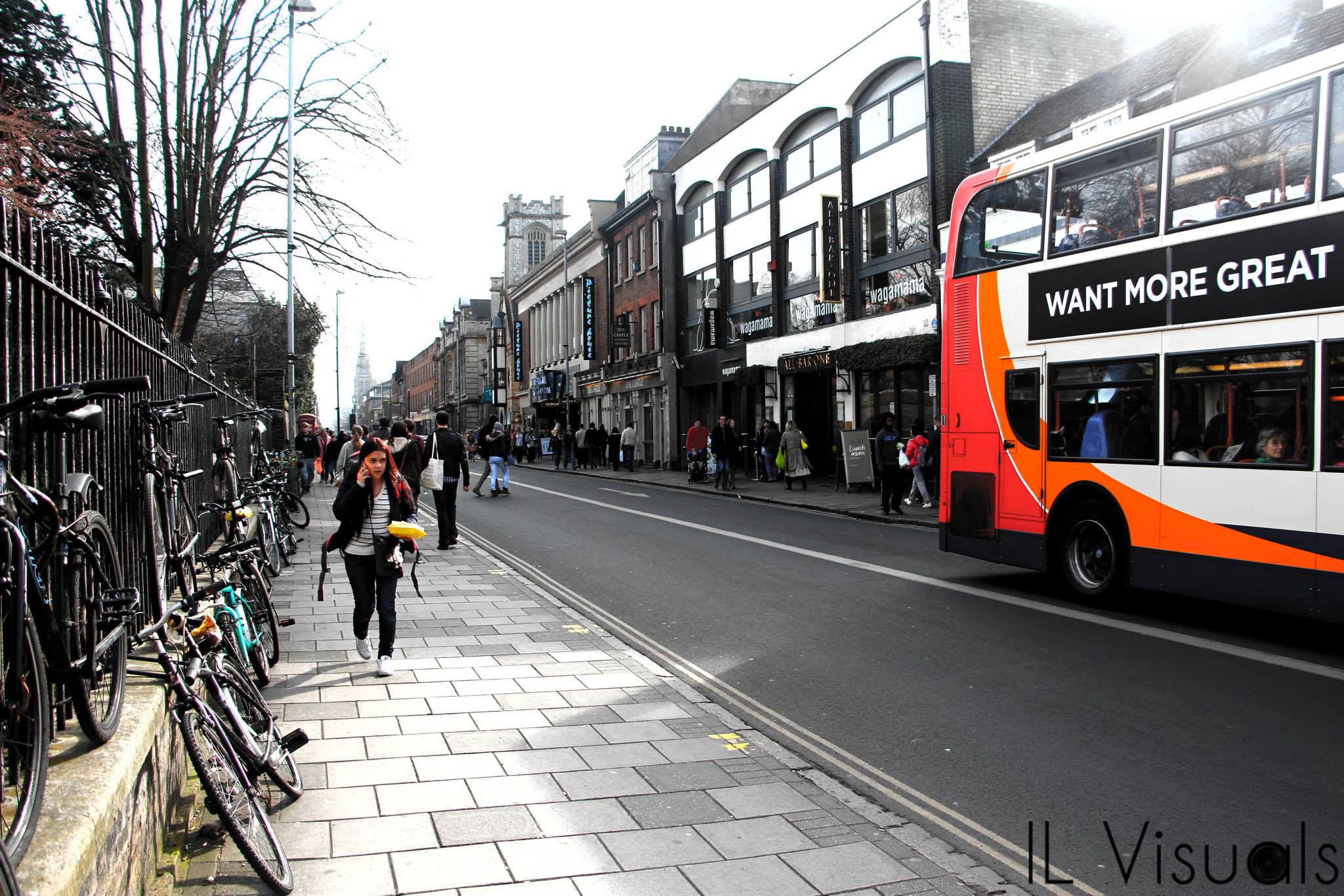
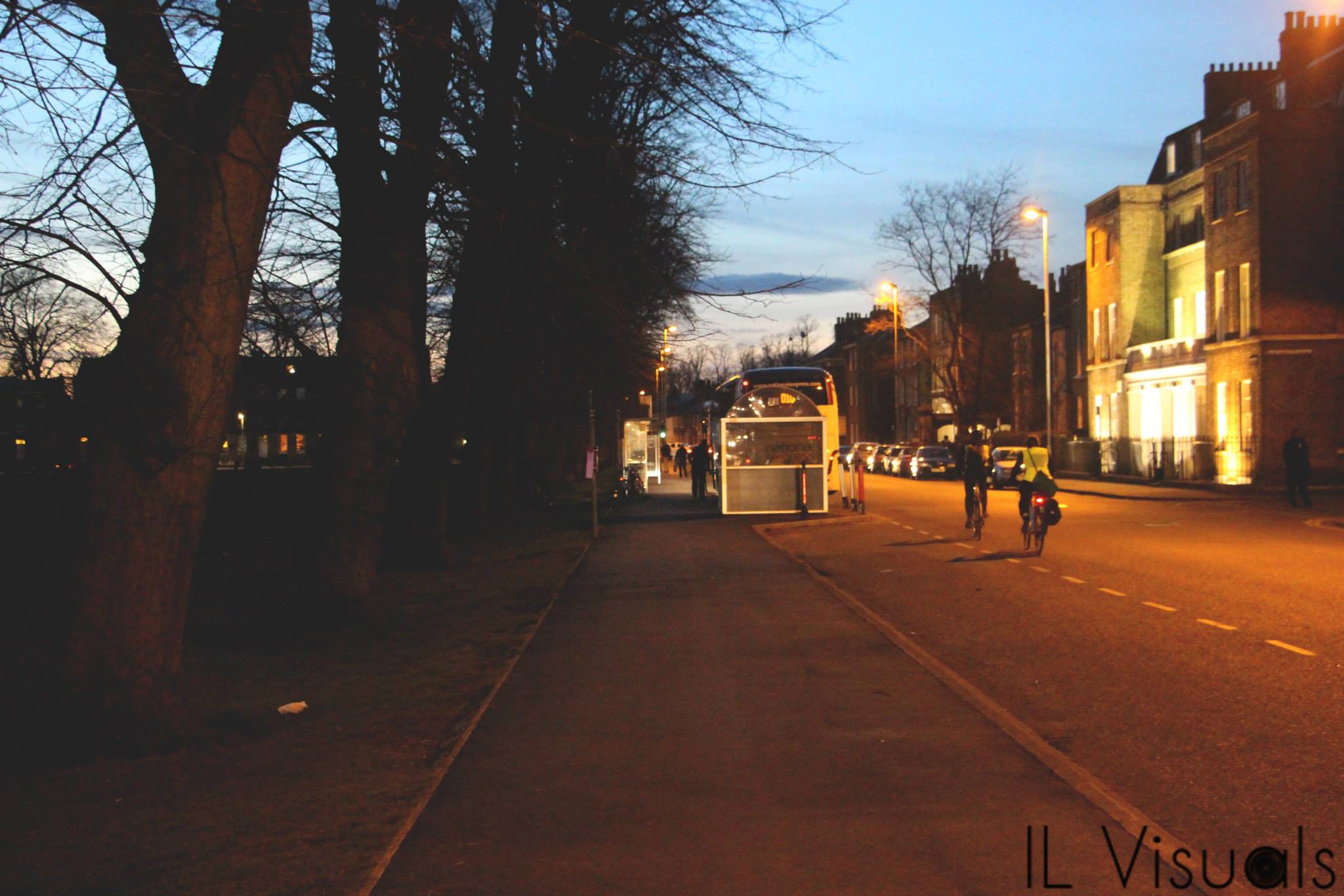
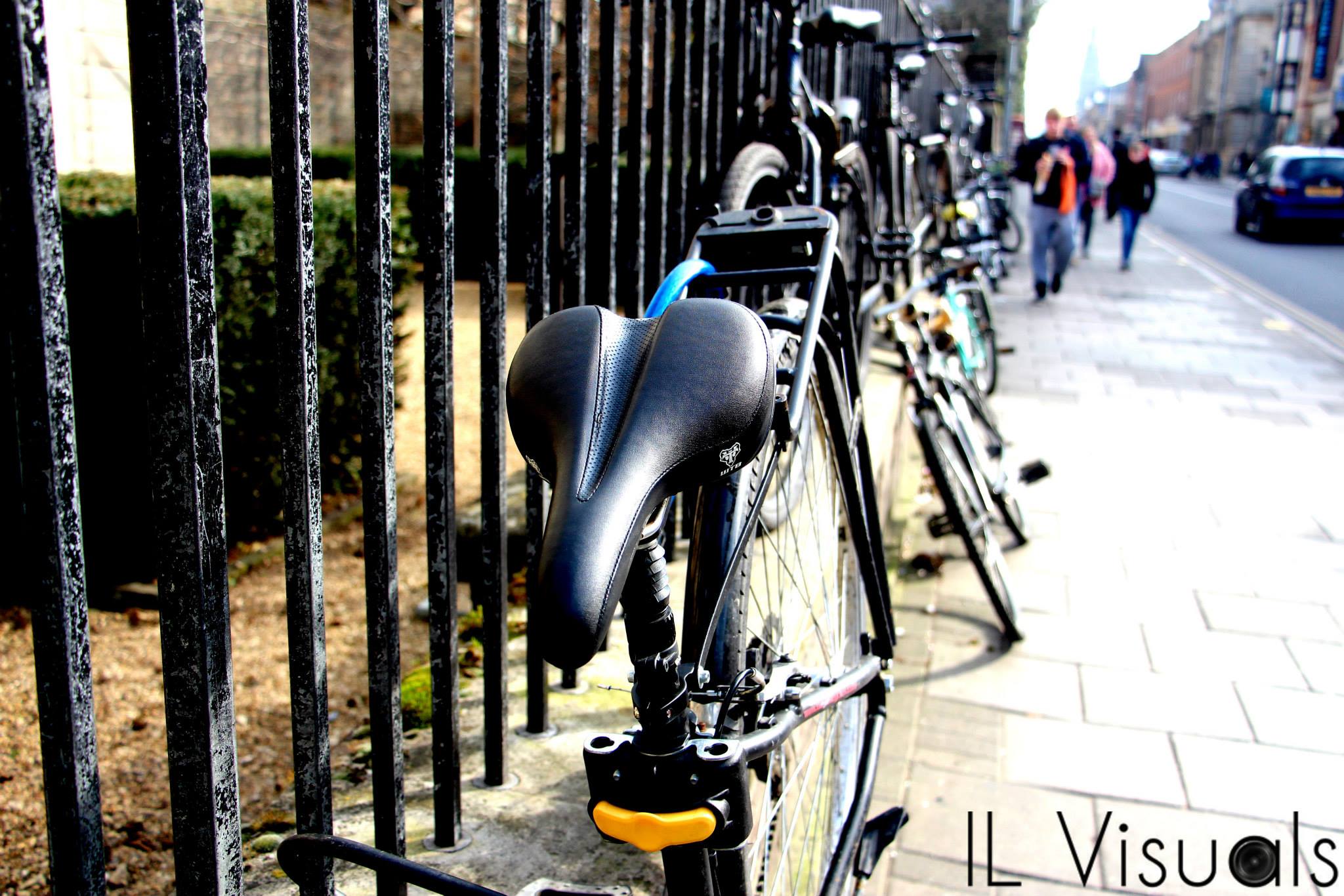
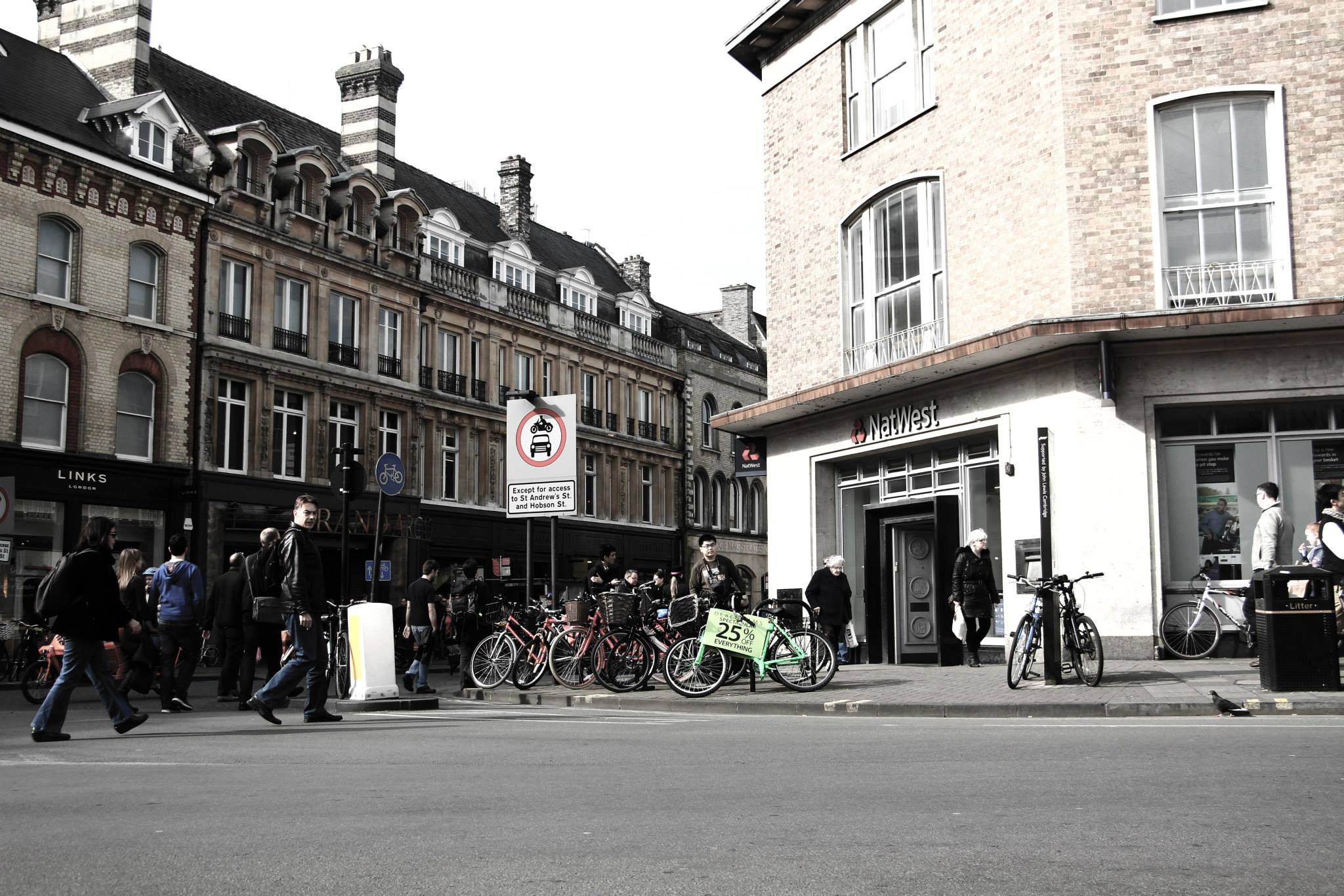
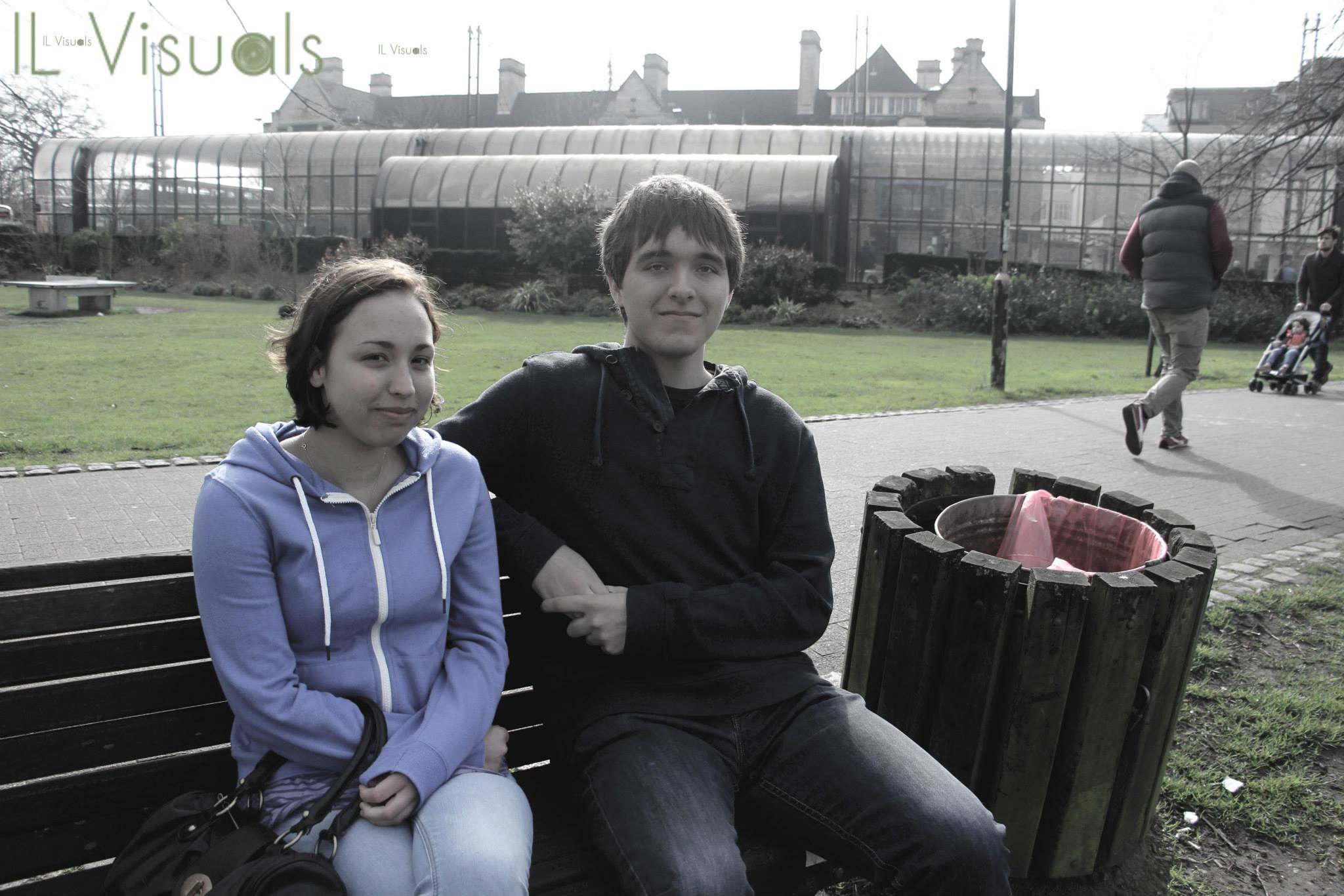
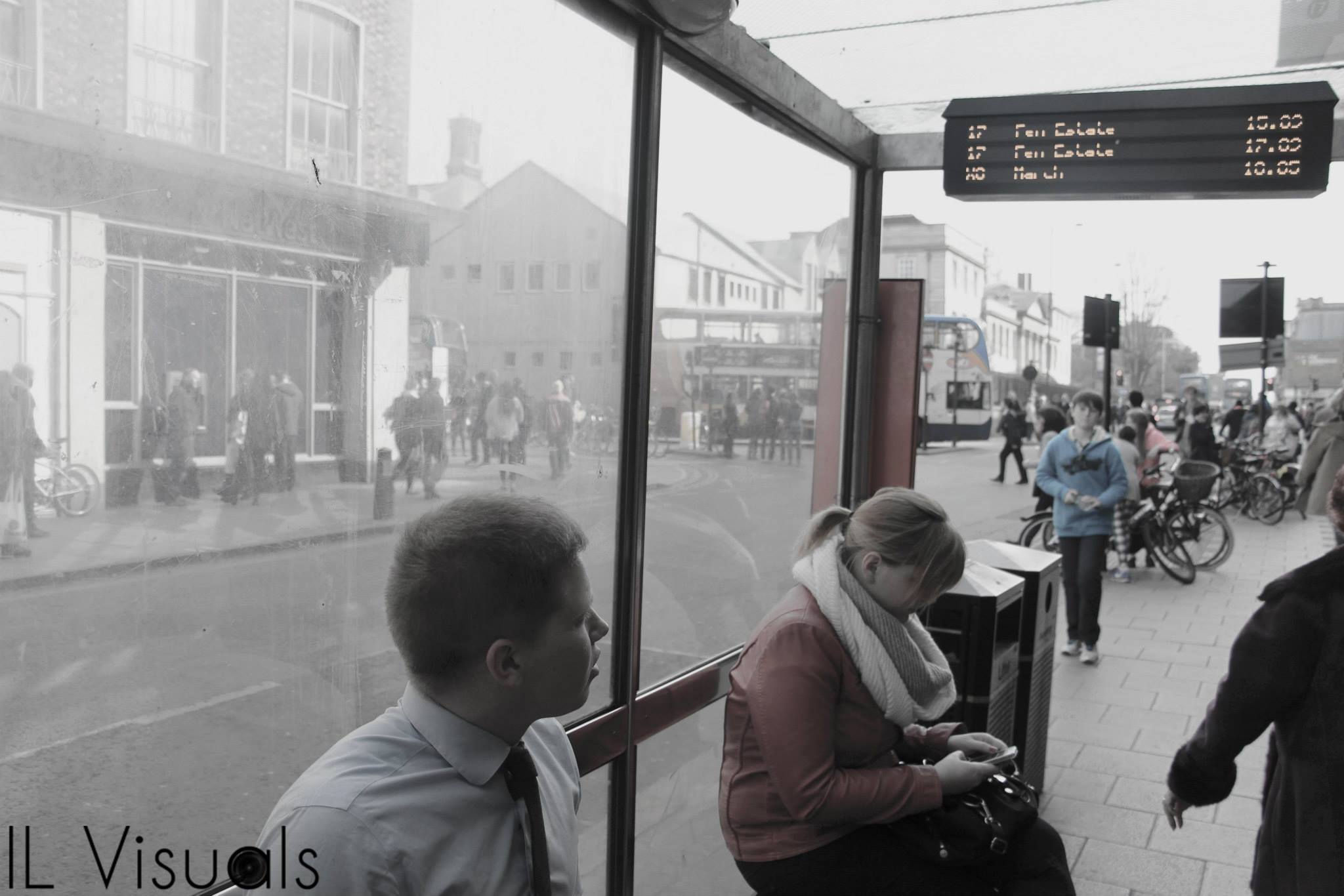
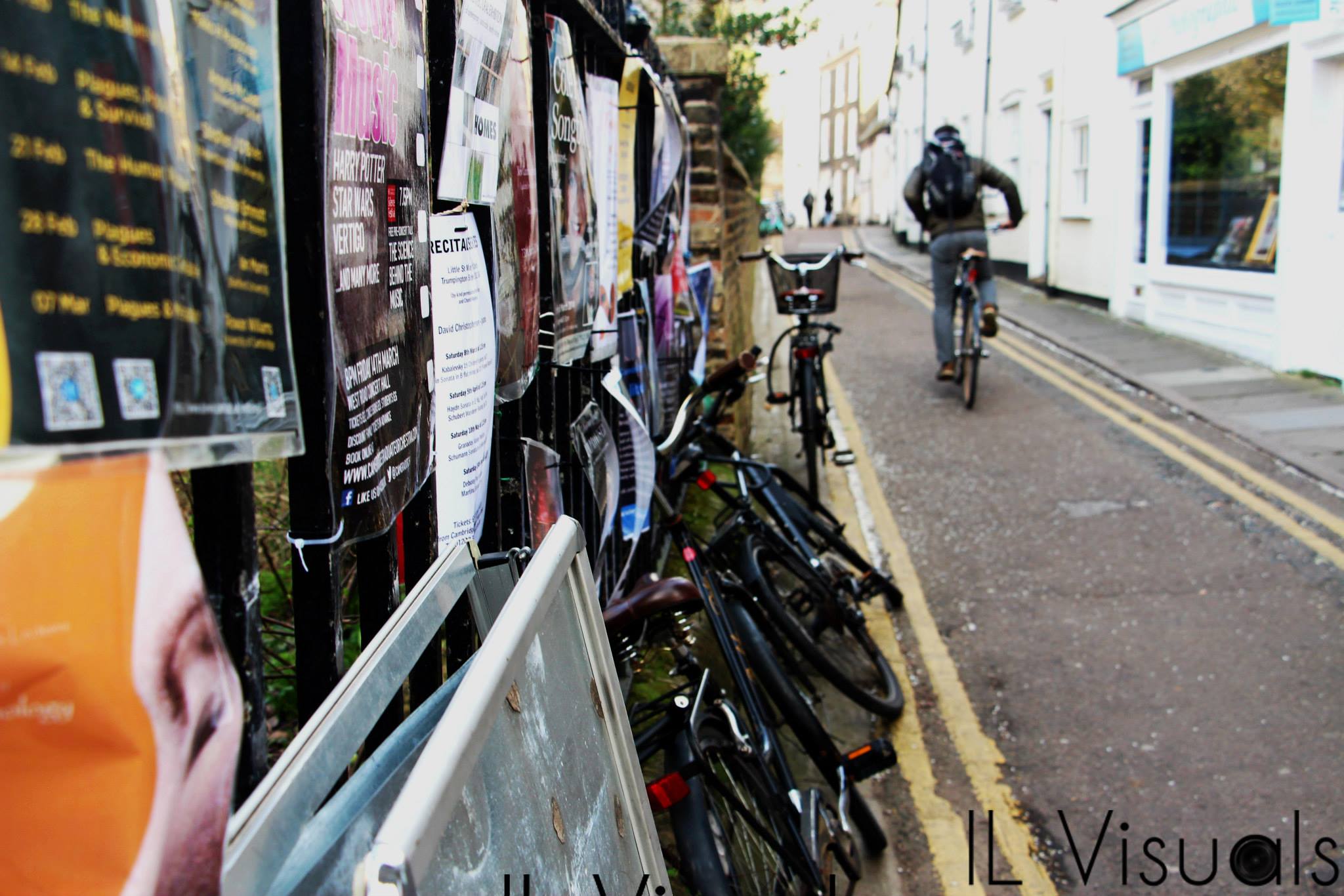
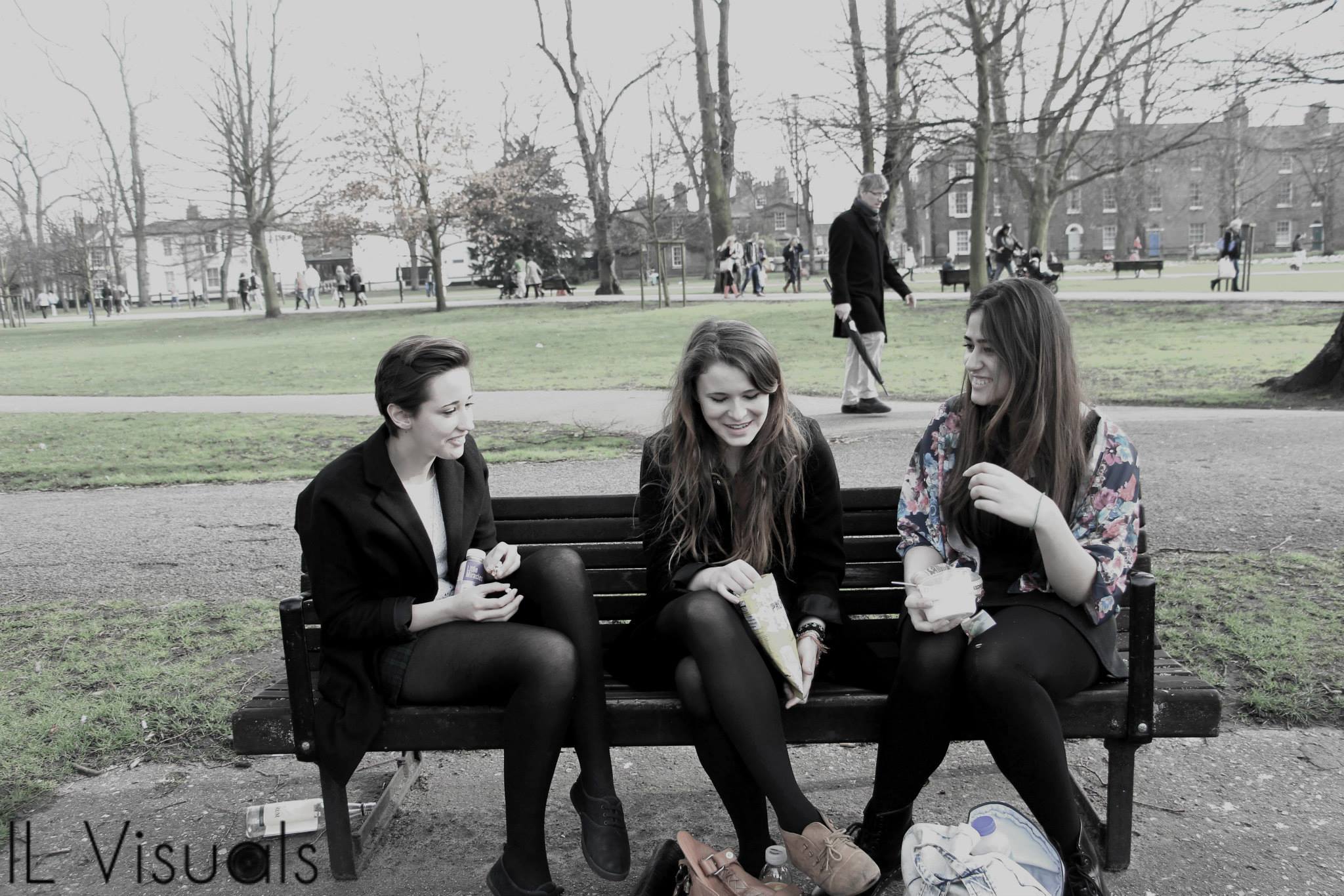
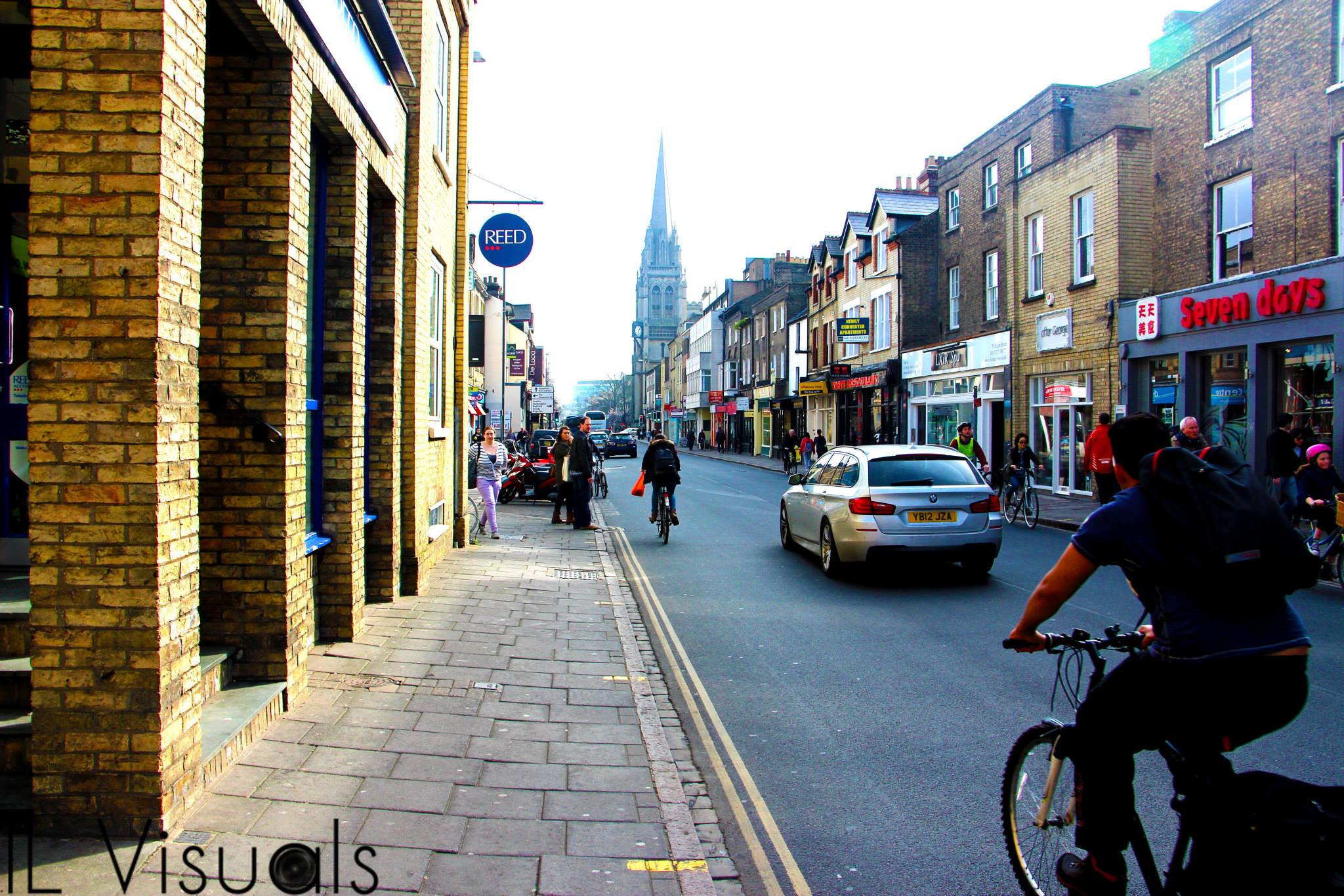
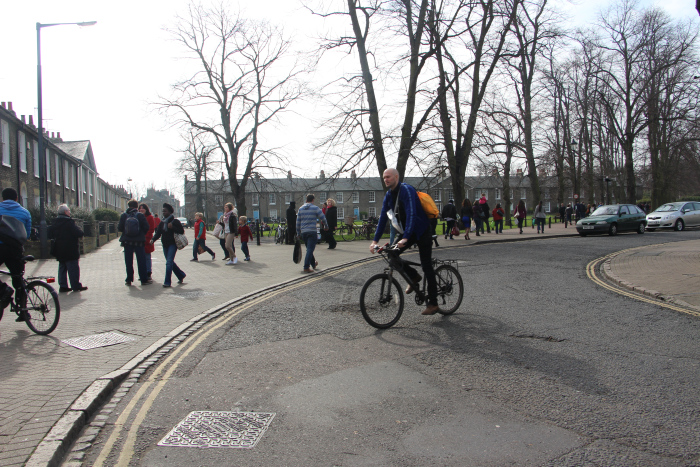
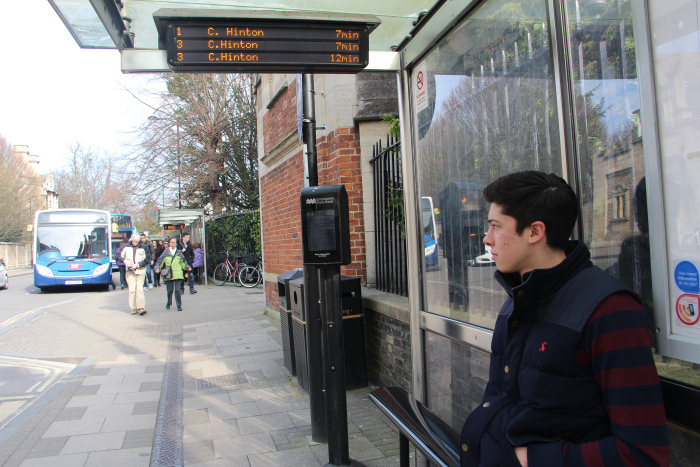
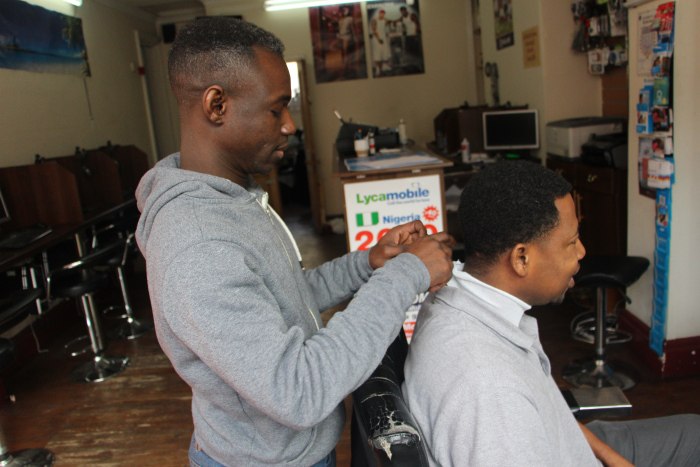
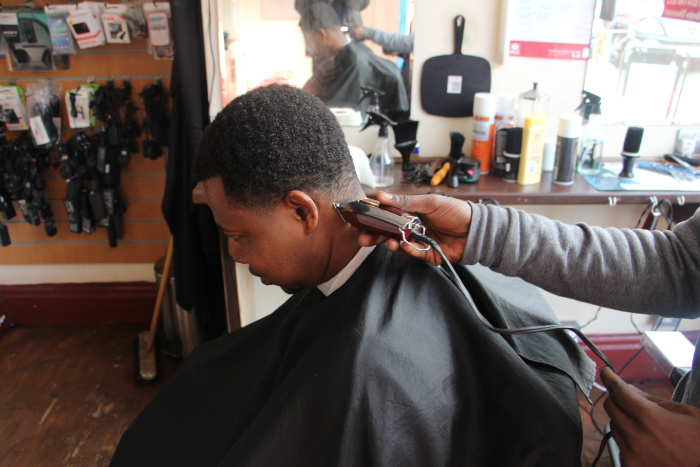
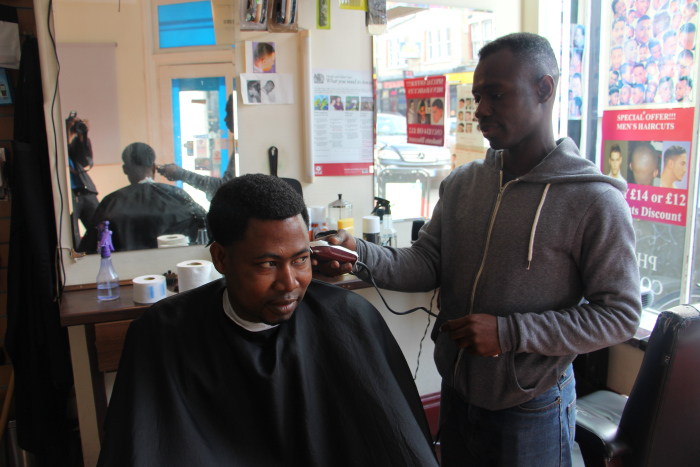
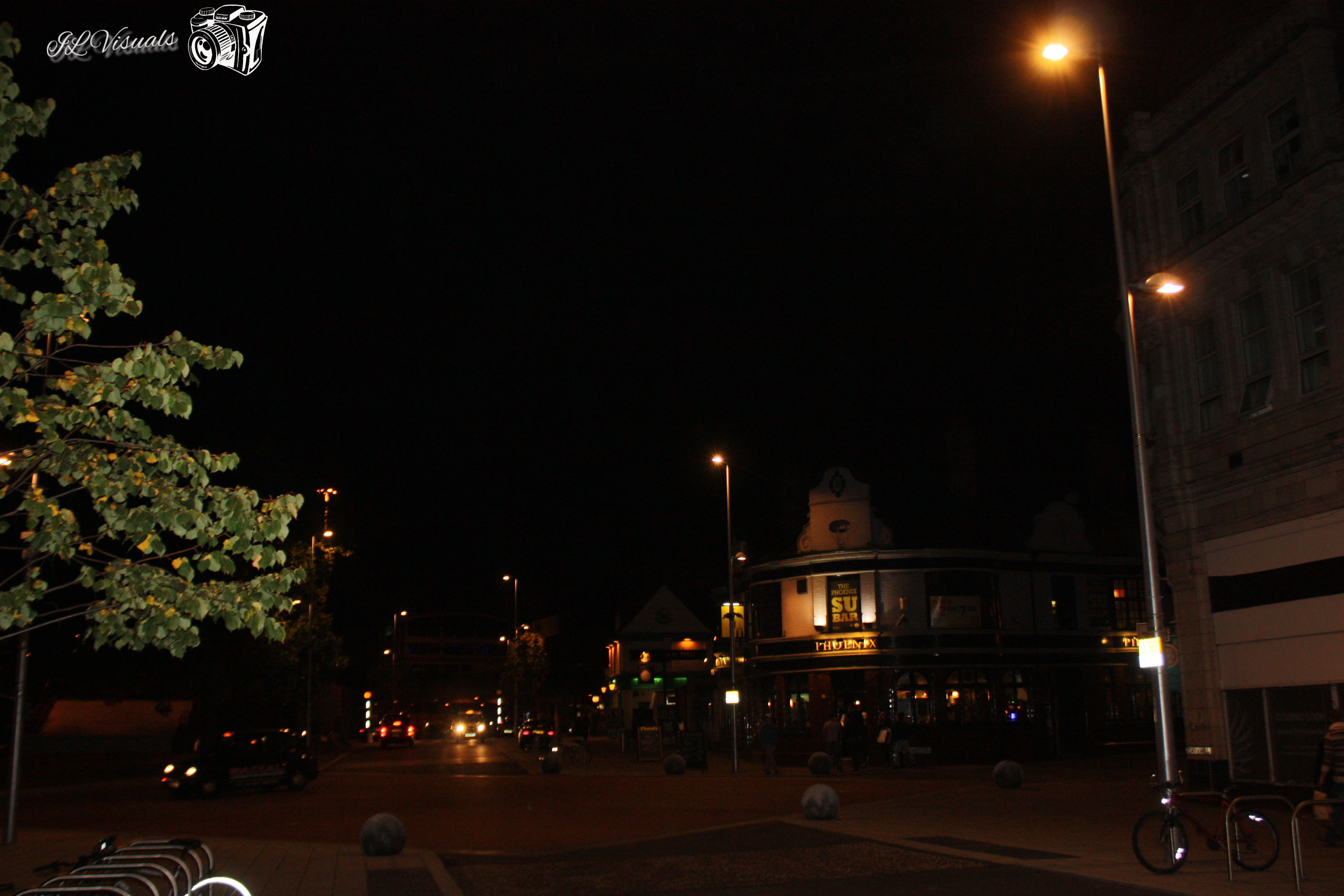
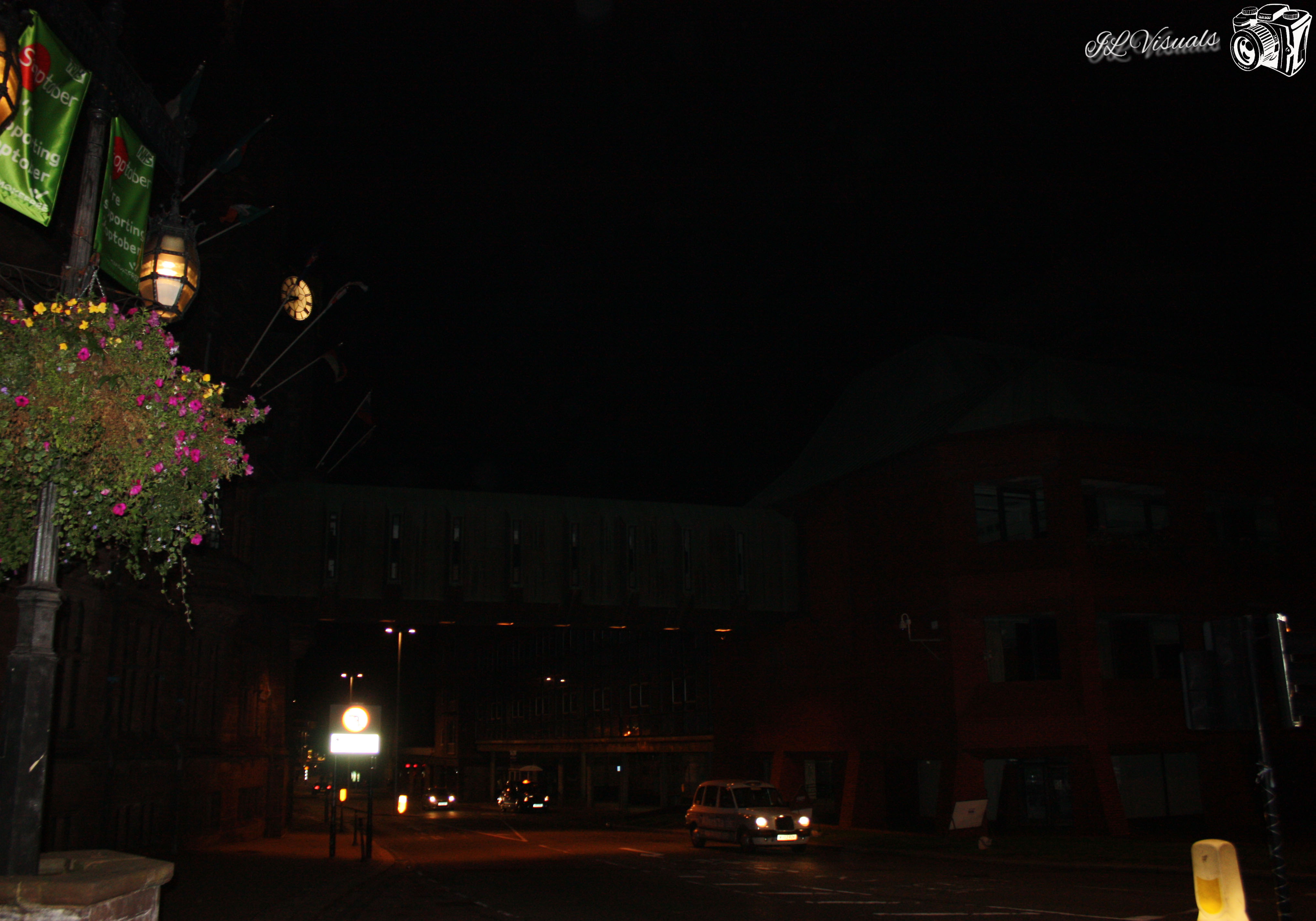
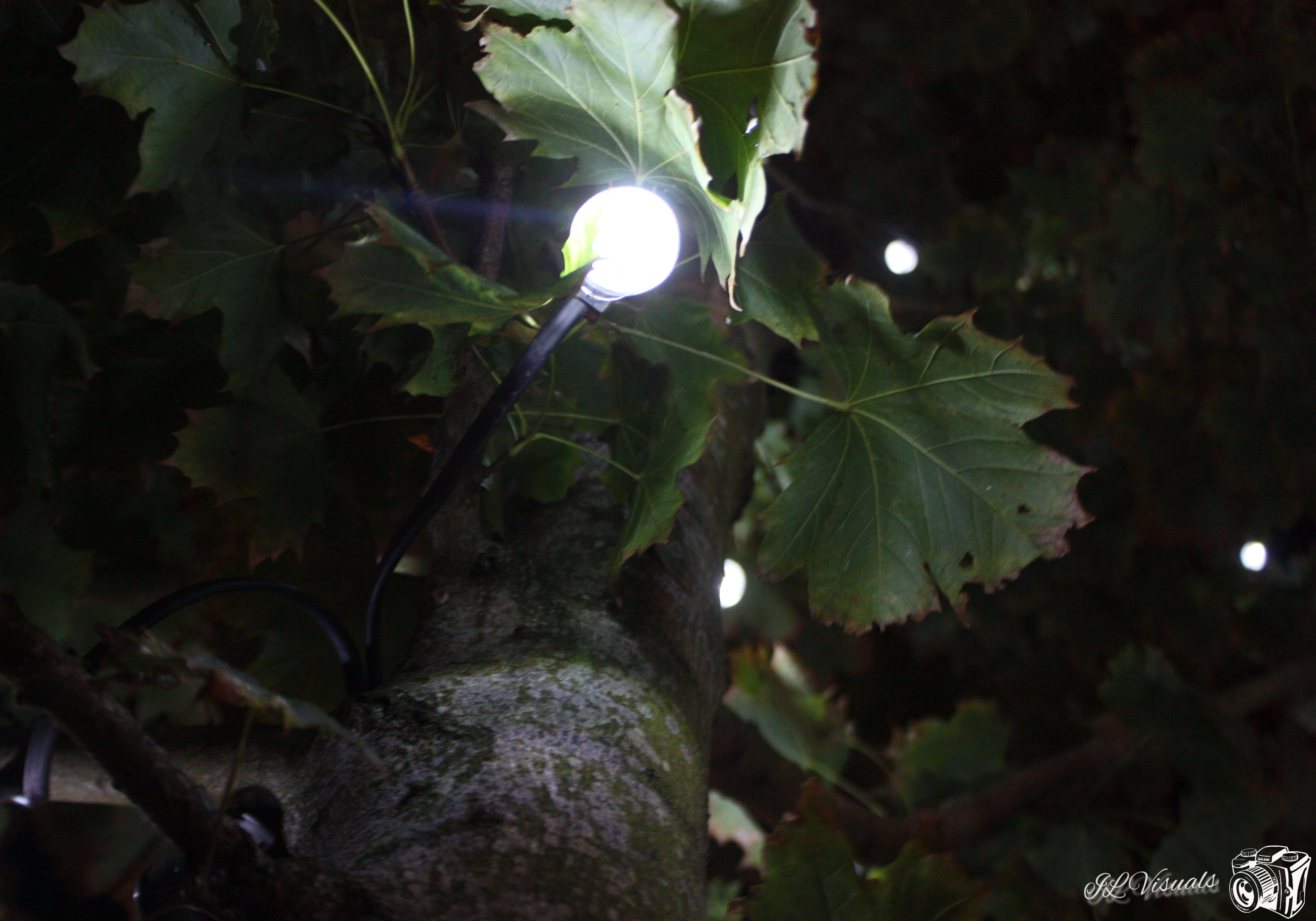
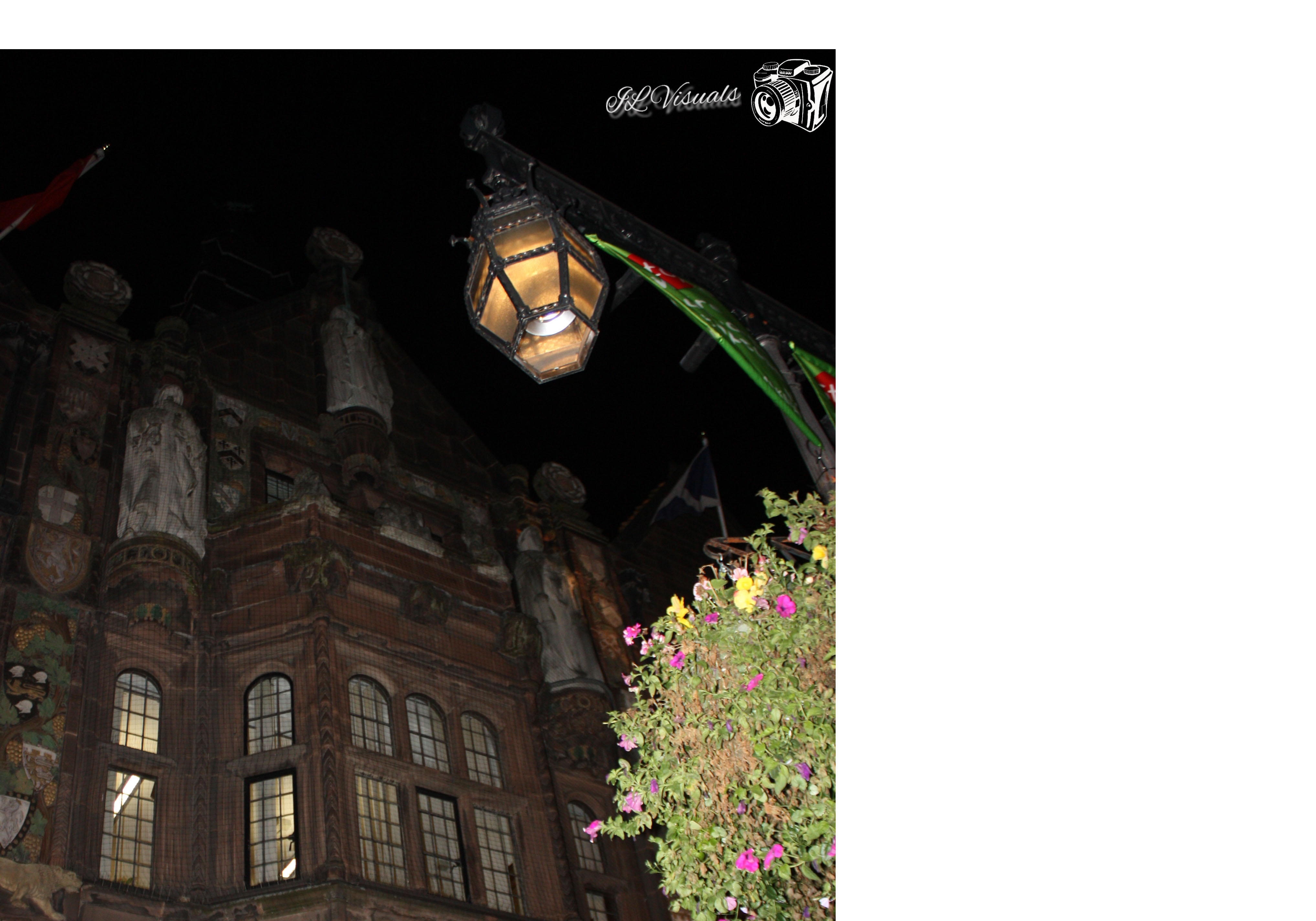
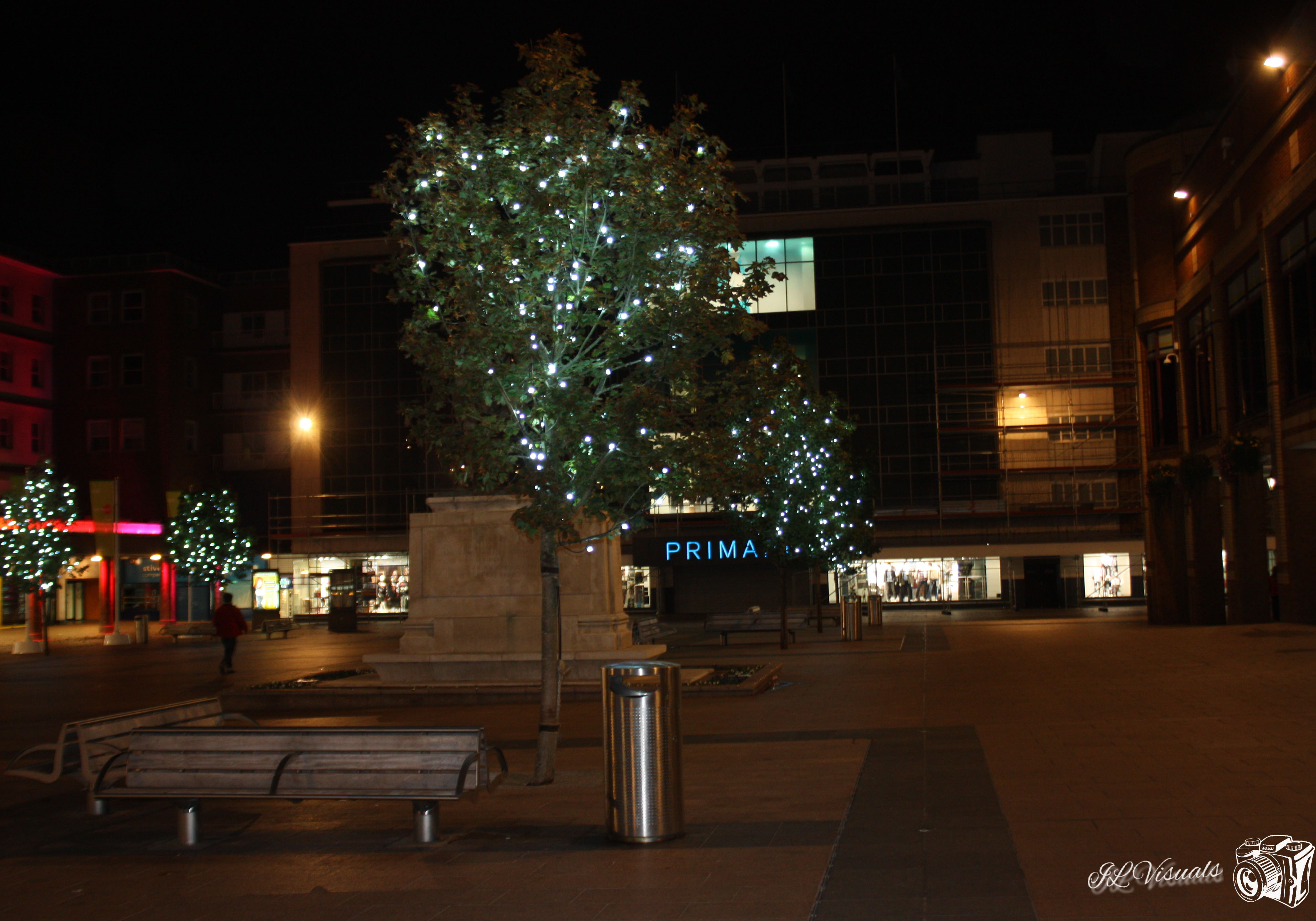
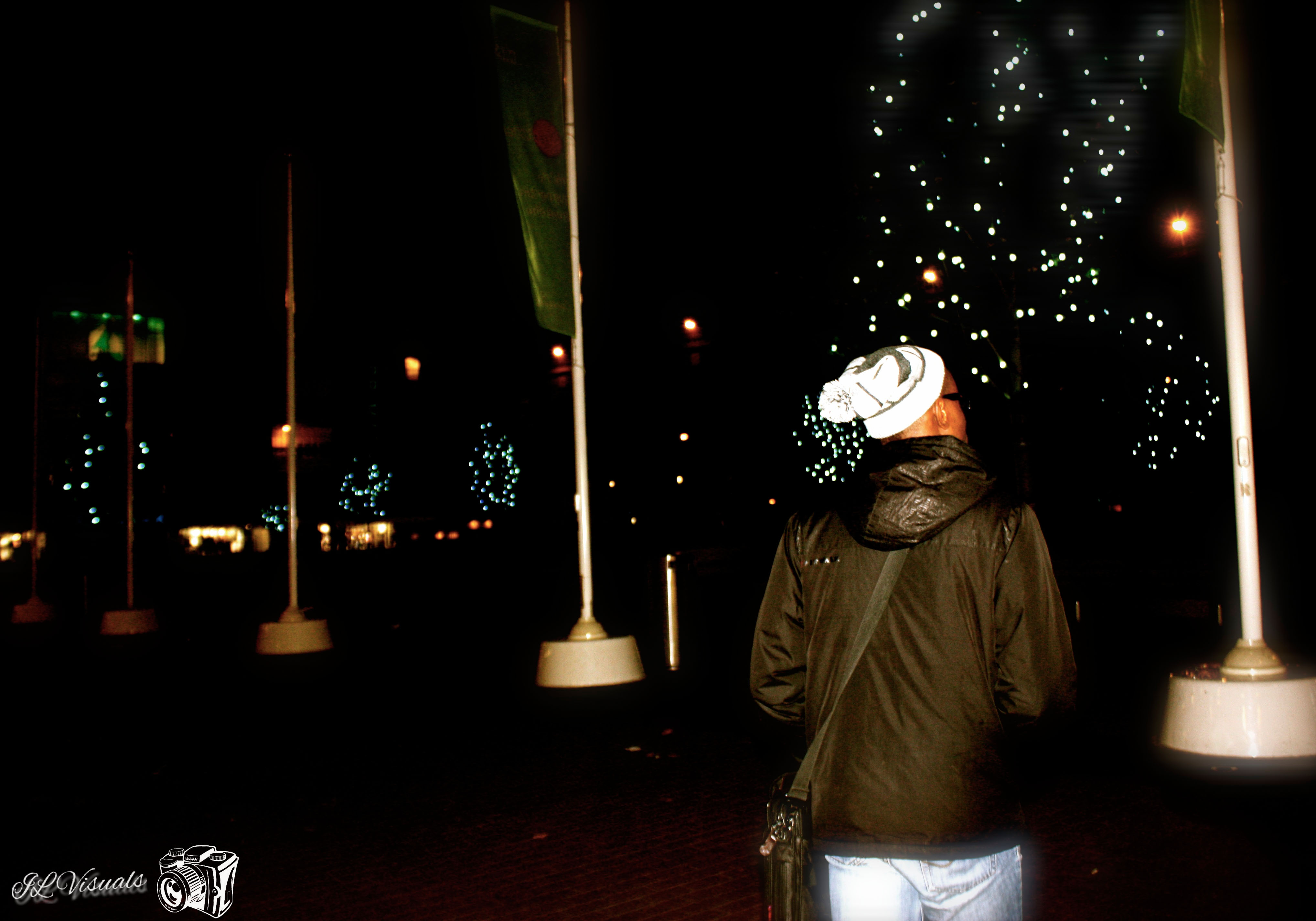
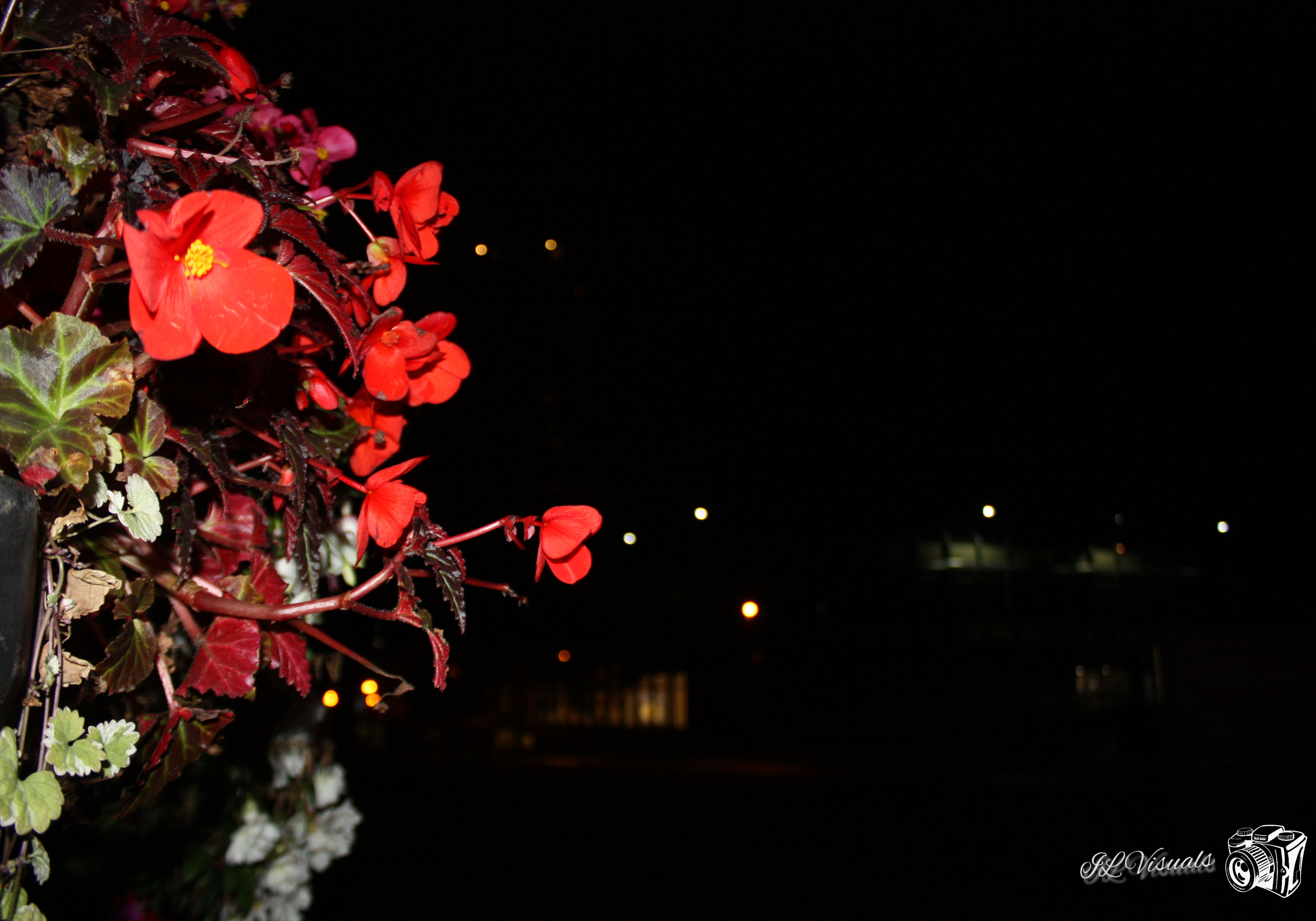
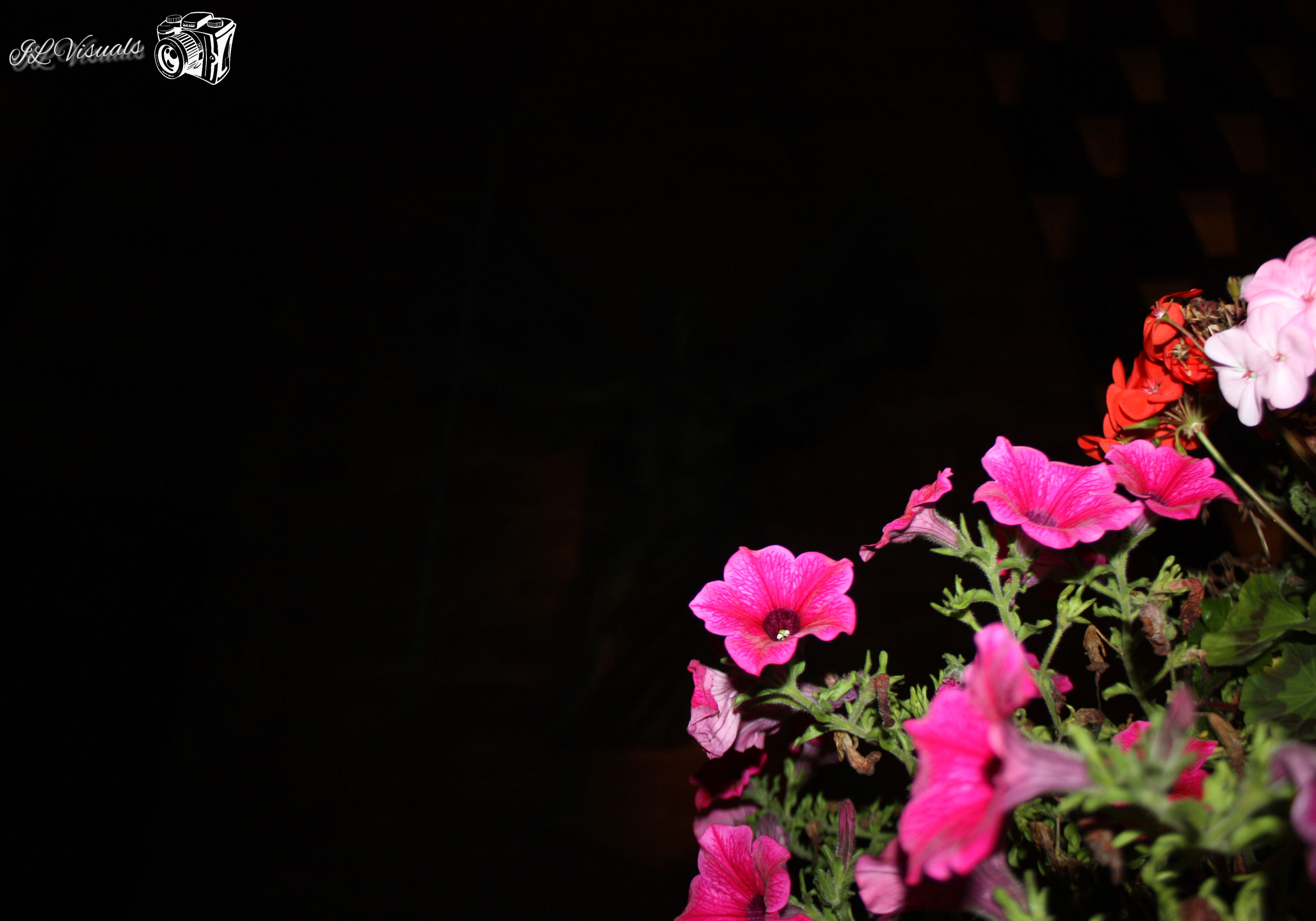
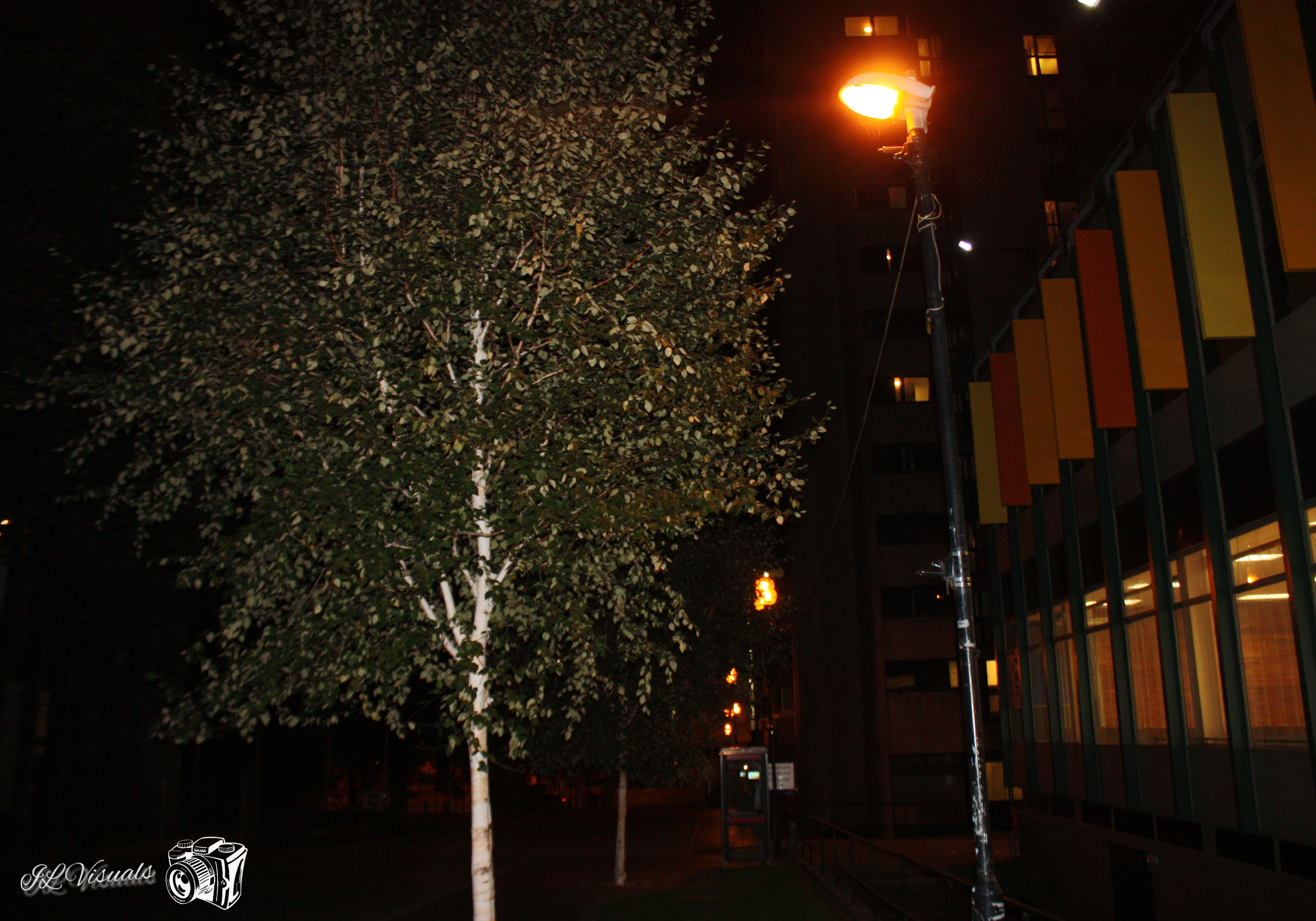
I was inspired to undertake an adventurous process of creating a documentary focusing on what a day in Cambridge looks like. Using different perspectives, I aimed at creating significant representations of people and how they make a living. Focusing on the themes: ‘Dignity in labour’, relaxation and leisure, I was able to show the extent people to which people work to live decent lives. In order to express the emotions of the environment, I made use of Matrix and Spot metering; creating a balance between light and dark areas as well as a good exposure of selected focus points. In order to extract more detail in the photographs, I made use of slow shutter speeds, showing how expressive and powerful ambient light can be utilized; this created unity and harmony in the composition of the pictures.
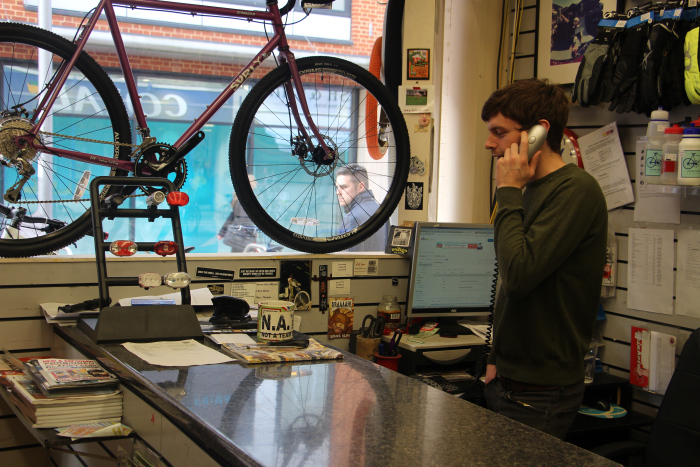
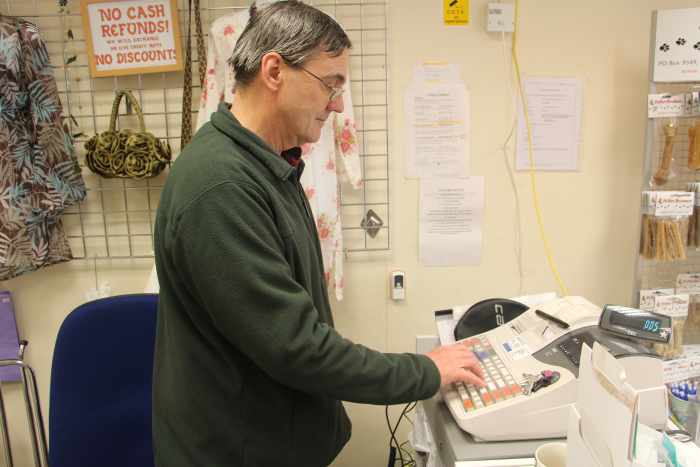













 Emmanuel Johnson